Cozy Window Reading Nooks: A Complete Design Guide
There is something quietly wonderful about a corner of the house designed for nothing more than curling up with a good book. Window reading nooks have become one of the most beloved features in modern home design, offering a dedicated retreat that combines natural light, comfort, and a sense of calm. Whether tucked into a bay window, built into a window seat, or simply arranged near a bright window with the right chair and cushions, a Window Reading Nooks can transform an underused corner into one of the most cherished spots in the home.
This guide walks through everything you need to know to design your own window reading nook, from choosing the right location and seating style to layering in cushions, lighting, and personal touches that make the space feel truly yours. Whether you have a large bay window to work with or just a small sunny corner, there is a version of this cozy retreat that fits your home.
Why Window Reading Nooks Have Become So Popular

A window reading nook offers something that few other spaces in the home can: a quiet retreat built entirely around rest and relaxation. In a world where so many rooms are designed around multitasking, a Window Reading Nooks is refreshingly singular in purpose, giving you permission to slow down.
Natural light also plays a huge role in the appeal of these spaces. Positioning a comfortable seat near a window means you get the benefit of daylight for Window Reading Nooks, along with the calming effect that sunlight and a view can bring to a small moment of downtime. For many homeowners, a reading nook has also become a way to add character and personality to a room without a major renovation, making it an accessible project regardless of budget.
If you are drawing inspiration for your overall home style before diving into a Window Reading Nooks project, browsing broader home decor inspo ideas can help you settle on an aesthetic direction that the nook can build upon.
Choosing the Best Location for Your Reading Nook

The right spot for a Window Reading Nooks depends heavily on your home’s layout, but a few common locations tend to work particularly well.
Bay Windows
A bay window is often considered the ideal setting for aWindow Reading Nooks, since its natural alcove shape creates a built-in sense of enclosure. The extra depth also makes it easier to add a bench or window seat with storage underneath.
Corner Windows
A corner where two windows meet can create a bright, airyWindow Reading Nooks spot with light coming from multiple angles, which is especially lovely during the day.
Underused Alcoves
Many homes have a small alcove or awkward corner near a window that is not quite big enough for full furniture but is perfect for a single chair or cushioned bench.
Bedroom Window Areas
A window nook in a bedroom offers a private, quiet retreat separate from the bed itself, making it a lovely addition to a broader bedroom refresh. These aesthetic bedroom ideas can help you plan a nook that complements the rest of the room’s design.
Home Library Corners
If you already have a dedicated Window Reading Nooks space or home library, adding a window nook within that room creates a natural focal point. This guide to designing a home library offers additional inspiration for building out a full Window Reading Nooks-focused space around your window seating.
Seating Options for a Window Reading Nook
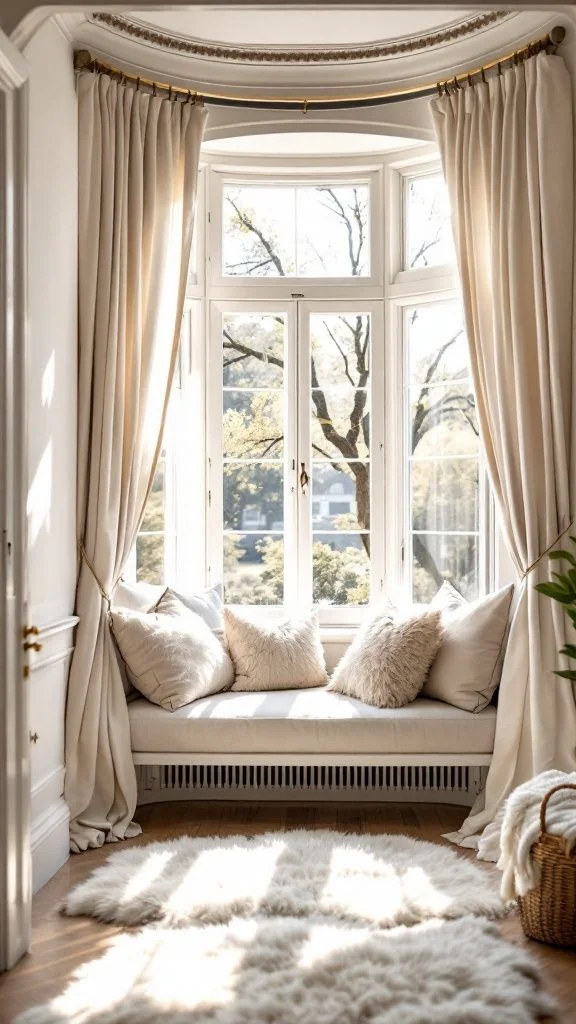
The seating you choose will largely define the character and comfort level of your finished nook.
Built-In Window Seats
A custom-built bench that spans the width of the window offers a polished, architectural look and often includes valuable hidden storage underneath, making it a practical choice for smaller homes.
Freestanding Benches
For those not ready to commit to a built-in project, a freestanding bench or daybed placed near a window offers similar comfort with far more flexibility to rearrange or update the space later.
Oversized Armchairs
A single, deep armchair paired with a small side table creates an intimate, single-person Window Reading Nooks spot that works beautifully in smaller rooms or apartments.
Floor Cushions and Poufs
For a more relaxed, bohemian approach, layering floor cushions and poufs near a window creates a low-to-the-ground Window Reading Nooks spot that feels casual and inviting. This approach pairs particularly well with a broader bohemian home decor style throughout the room.
Hanging or Swing Chairs
For a playful, unique take on the traditional reading nook, a hanging chair positioned near a window adds movement and a distinctly cozy, cocoon-like feel.
Layering Cushions and Textiles
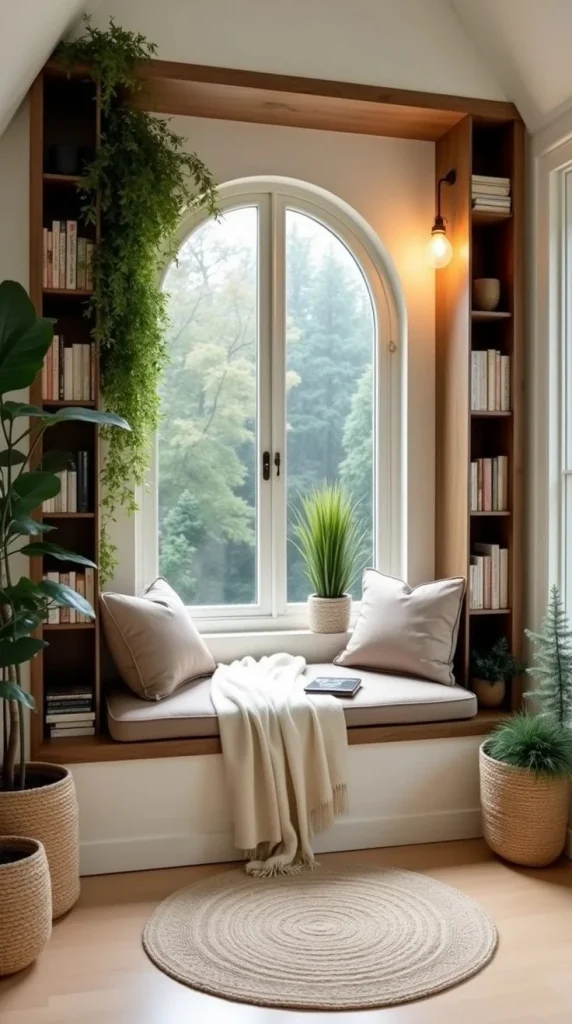
Once you have chosen your seating, cushions and textiles are what transform a simple bench or chair into a genuinely inviting Window Reading Nooks spot.
Mix Sizes and Shapes
Combining large floor cushions with smaller lumbar pillows creates visual interest and offers different support options depending on how you like to sit or recline. For more guidance on building an appealing mix, this guide to throw pillow combinations offers plenty of practical pairing ideas.
Add a Soft Throw Blanket
A folded throw blanket draped over the edge of the seat not only adds warmth for cooler months but also brings a lived-in, welcoming texture to the space.
Consider Seasonal Swaps
Rotating lighter linen cushions in the summer for heavier knit or velvet textures in the winter is a simple way to keep the nook feeling fresh throughout the year. These seasonal decor ideas can help guide a similar rotation for yourWindow Reading Nooks cushions and accessories.
Layer a Soft Rug Underneath
If your Window Reading Nooks sits on a hard floor, adding a small rug underneath the seating area helps ground the space visually and adds a bit of extra coziness underfoot.
Lighting Your Reading Nook Properly
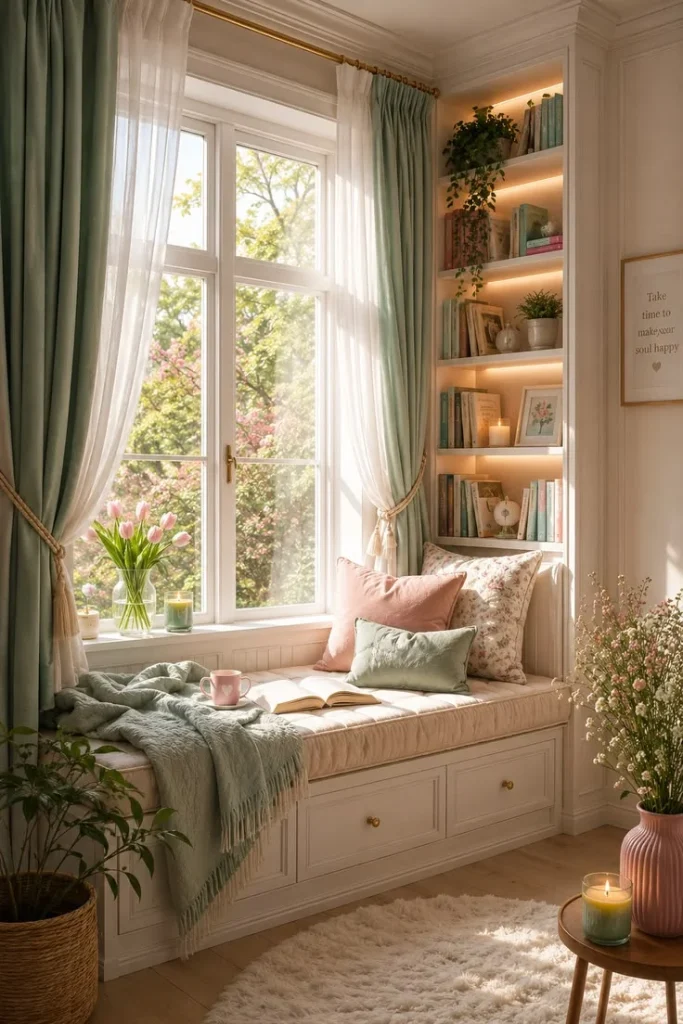
While natural light is the star of any window reading nook during the day, proper lighting is essential for evening use as well.
Task Lighting
A small Window Reading Nooks lamp, either on a nearby side table or mounted directly to the wall, provides focused light that is ideal for Window Reading Nooks without illuminating the entire room. For more inspiration on creating the right mood through lighting, this guide to cozy bedroom lighting offers useful principles that apply beautifully to a Window Reading Nooks as well.
String Lights or Fairy Lights
For a softer, more whimsical touch, delicate string lights woven around the window frame or draped nearby add gentle ambient light and a cozy glow in the evening.
Window Treatments
Sheer curtains allow natural light to filter through softly during the day while still offering some privacy, whereas blackout curtains might be better suited for those who want to control light more precisely for late-afternoon naps or screen-free Window Reading Nooks time.
Styling Your Window Reading Nook
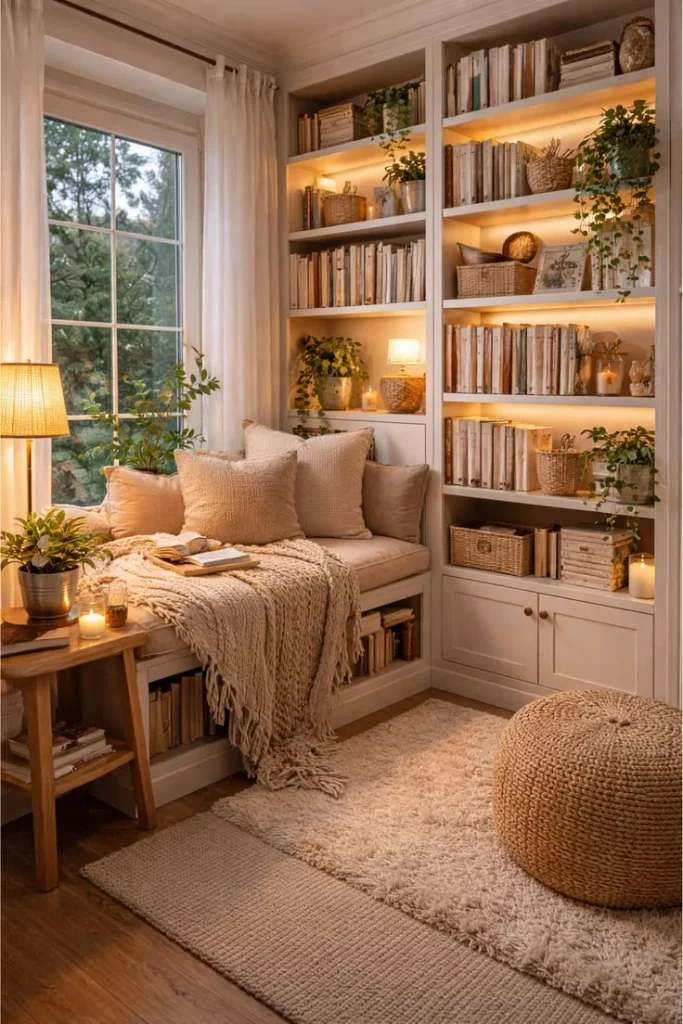
Beyond seating and lighting, the finishing touches are what give a Window Reading Nooks its personality.
Add a Small Bookshelf or Ledge
A nearby shelf or ledge for storing your current Window Reading Nooks stack keeps books within arm’s reach without cluttering the seating area itself. If a built-in window seat includes storage, this space can also double as a place to store extra blankets or seasonal cushions.
Bring in Plants
A potted plant nearby adds life and softness to the corner, and since window nooks typically receive good natural light, they are often an ideal spot for plants that thrive in bright conditions. These indoor house plants offer great options suited to sunny window spots.
Personalize With Wall Art
A small piece of art or a framed print near the nook helps tie the space into the rest of the room’s decor. These diy wall art ideas offer creative, budget-friendly ways to add a personal touch to the wall surrounding your Window Reading Nooks corner.
Include a Small Side Table
A compact side table nearby gives you a place to set down a cup of tea, your phone, or a stack of books without needing to leave your cozy spot.
Window Reading Nooks for Small Spaces

Not everyone has a large bay window to work with, but a small Window Reading Nooks can be just as cozy and functional with the right approach.
Use a Single Chair Instead of a Bench
In a tighter space, a single comfortable chair angled toward the window often works better than trying to fit a full bench or daybed.
Choose Multi-Functional Furniture
A storage ottoman that doubles as both seating and a footrest can help maximize function in a small nook without adding visual bulk.
Keep the Color Palette Light
Lighter tones throughout the nook and surrounding wall help the space feel more open, even in a compact footprint. For more small-space specific strategies, these small space decor tips offer additional guidance that pairs well with a compact Window Reading Nooks corner.
Borrow Space From an Existing Room
Sometimes the best small-space Window Reading Nooks is simply a thoughtfully arranged corner of an existing room rather than a dedicated separate area. These small living room layout ideas can help you find a natural spot to tuck in a chair or bench without disrupting the room’s overall function.
Reading Nooks for Different Home Styles
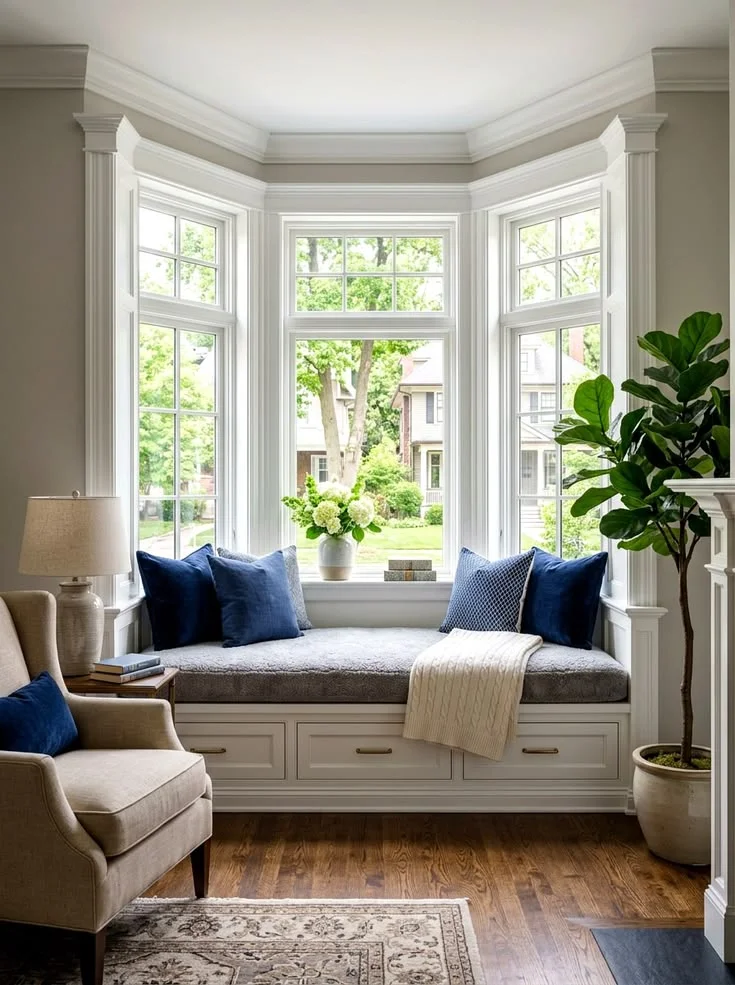
A window reading nook can be adapted to suit nearly any interior design style, making it a flexible addition to almost any home.
Cottagecore and Romantic Styles
Soft florals, vintage-inspired textiles, and a slightly cluttered, collected feel work beautifully for a cottagecore-style Window Reading Nooks. Pairing this aesthetic with ideas from a cottagecore entryway can help create a cohesive, storybook-like feel throughout the entryway and Window Reading Nooks corner alike.
Minimalist Interiors
A single clean-lined chair, one carefully chosen cushion, and minimal additional decor allow the window and natural light to remain the focal point in a more pared-back space. These minimalist living room principles translate beautifully into a simple, uncluttered Window Reading Nooks.
Farmhouse Style
A built-in window seat with warm wood tones, gingham or striped cushions, and a woven basket for extra blankets fits naturally into a farmhouse-inspired home.
Modern and Mid-Century Homes
Clean lines, a sculptural chair, and a mix of warm wood and bold accent colors create a Window Reading Nooks that feels intentional and design-forward rather than purely cozy.
Bright and Colorful Homes
For those who love a more playful, saturated palette, mixing bold patterned cushions with a colorful accent wall creates a vibrant, energizing Window Reading Nooks spot. If your home leans toward color throughout, these ideas from a colourful living room can help you extend that same energy into your reading nook.
Budget-Friendly Ways to Create a Reading Nook

You do not need a major renovation to enjoy the benefits of a dedicated reading spot.
- Repurpose an existing chair rather than purchasing new seating specifically for the nook
- Use cushions and pillows you already own, mixing and matching for a curated look without new purchases
- Add a simple curtain rod and fabric for a DIY canopy effect instead of a structural addition
- Shop secondhand for a unique chair, bench, or side table that adds character without a large price tag
For more ways to create a beautiful space without overspending, these budget decor ideas pair well with a DIY approach to building your reading nook.
Common Mistakes to Avoid When Designing a Reading Nook
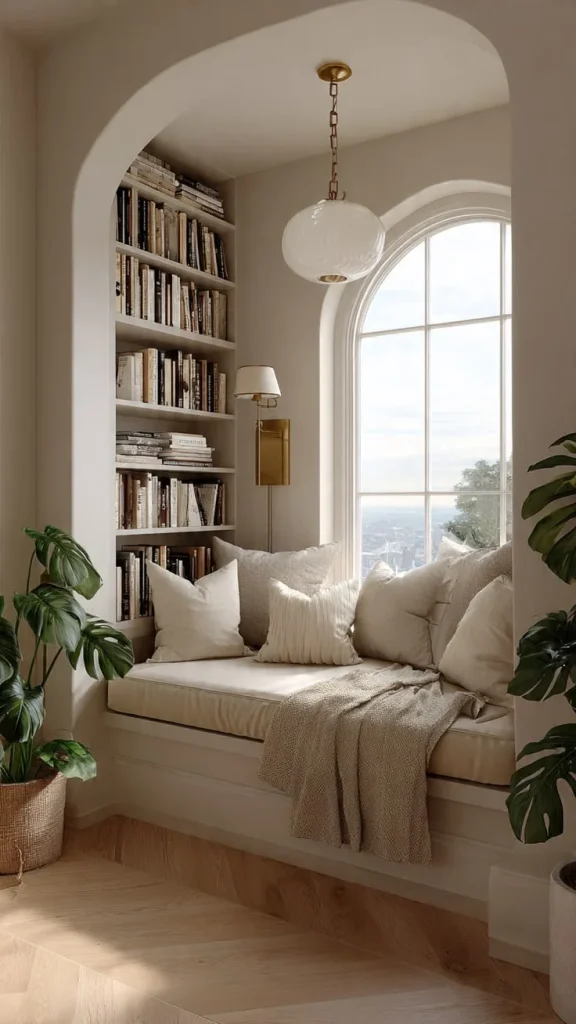
- Choosing uncomfortable seating. A nook that looks beautiful but is not actually comfortable to sit in for extended periods will likely go unused.
- Skipping proper lighting. Relying solely on natural light means the space becomes unusable once the sun goes down, so adding a dedicated light source is essential.
- Overcrowding the space. Too many decorative pillows or accessories can make the nook feel cluttered rather than restful, so it helps to edit down to what is genuinely functional and beautiful.
- Ignoring window treatments. Without curtains or blinds, direct sunlight can create glare that makes reading difficult during certain times of day.
- Forgetting storage needs. A nearby shelf, basket, or built-in storage compartment helps keep books and blankets organized rather than piling up around the seating area. For more general guidance on avoiding design pitfalls in adjacent spaces, this list of bedroom decorating mistakes covers similar principles worth keeping in mind.
Maintaining Your Window Reading Nook
A little ongoing care keeps a reading nook looking and feeling its best.
Rotate and Fluff Cushions Regularly
Regularly fluffing cushions and rotating them helps prevent uneven wear and keeps the seating area looking fresh.
Keep the Window Clean
Since natural light is such a central part of the appeal, keeping the window itself clean ensures the space stays as bright and inviting as possible.
Refresh Textiles Seasonally
Swapping out a few key textiles with the changing seasons is an easy, low-cost way to keep the space feeling current without a full redesign.
Declutter Regularly
Since reading nooks tend to accumulate books, blankets, and small items over time, a regular tidy-up helps maintain the restful, uncluttered feeling that makes the space appealing in the first place.
Building a Simple DIY Window Seat
If you are handy with basic tools, building a simple window seat can be a rewarding weekend project that adds both function and charm to your home.
Plan the Basic Frame
A simple platform built from plywood, sized to fit the width of your window, forms the foundation of most DIY window seats. Adding a supportive frame underneath ensures the seat can comfortably hold weight over time.
Add a Hinged Lid for Storage
Rather than a fixed top, attaching a hinged lid allows the space beneath the seat to double as hidden storage, which is especially valuable in smaller homes where every bit of extra storage counts.
Finish With a Cushioned Top
A custom-cut foam cushion, wrapped in fabric that complements the rest of the room, transforms the wooden platform into a genuinely comfortable seating surface.
Consider Professional Help for Built-Ins
If you want a more polished, permanently built-in look, working with a carpenter to design a custom window seat with integrated shelving or trim can elevate the finished result significantly, even if it comes with a higher price tag than a DIY approach.
Reading Nooks in Unexpected Spaces
While a bedroom or living room window is the most common location, reading nooks can be tucked into a variety of less obvious spots throughout a home.
Landing or Staircase Windows
A window on a staircase landing, often an overlooked architectural feature, can make a surprisingly charming spot for a small chair or built-in bench.
Attic Nooks
Sloped ceilings and dormer windows in an attic space often create a naturally cozy, enclosed feeling that lends itself beautifully to a reading corner, even in homes where attic space is otherwise underutilized.
Kitchen Nooks
If your kitchen has a bright window, a small reading nook can double as a breakfast spot as well. These small breakfast nook ideas offer helpful guidance for designing a multi-purpose space that works for both morning coffee and afternoon reading.
Hallway Alcoves
A wide hallway with a window and a bit of unused wall space can sometimes accommodate a slim bench or chair, turning an otherwise purely functional passageway into a small moment of pause.
Creating a Reading Nook for Kids
A window reading nook is not just for adults — a dedicated reading corner can be a wonderful addition to a child’s room or a shared family space.
Choose Durable, Washable Fabrics
Since kids’ spaces tend to see more spills and wear, opting for washable cushion covers and durable fabric makes the nook easier to maintain over time.
Keep Books Within Reach
A low shelf or basket positioned right next to the seating area encourages independent reading by making books easy for a child to access and put away on their own.
Add Personality With Fun Textiles
Playful patterns, bright colors, or a favorite character theme can make a reading nook feel especially inviting for younger children, encouraging them to spend more time there.
Keep Safety in Mind
If the nook includes a window seat with storage, choosing soft-close hinges and ensuring the seating height is appropriate for a child’s size helps keep the space both functional and safe.
Reading Nook Accessories Worth Considering
A few thoughtful additions can round out the experience of a window reading nook, making it feel even more complete.
- A small blanket ladder or hook nearby for easily accessible throws
- A weighted or textured lap blanket for added comfort during longer reading sessions
- A discreet charging station for a phone, tablet, or e-reader
- A small tray or coaster for tea, coffee, or a glass of water
- A scented candle or diffuser to add a calming, sensory element to the space
These small details are often what separate a simple chair-by-the-window setup from a fully realized, intentional reading retreat.
Choosing a Color Palette for Your Reading Nook
The colors you choose for cushions, curtains, and nearby walls can significantly influence how calming and cohesive your reading nook feels.
Soft Neutrals
Cream, beige, and soft grey tones create a timeless, versatile backdrop that works well regardless of the surrounding room’s overall color scheme.
Calming Blues and Greens
These cooler tones tend to promote a sense of relaxation, making them a popular choice for reading nooks specifically designed for winding down.
Warm Earth Tones
Terracotta, rust, and warm browns bring a cozy, grounded feeling to a nook, particularly when paired with natural materials like wood and rattan.
For more guidance on selecting a palette that feels intentional rather than random, this resource on color harmony palettes offers useful principles that apply beautifully to a small, focused space like a reading nook.
Frequently Asked Questions About Window Reading Nooks
Do I need a bay window to create a reading nook?
Not at all. While a bay window offers a natural alcove shape, a simple chair or bench placed near any bright window can create a cozy reading spot.
What is the best type of seating for a reading nook?
This depends on personal preference and available space, though a well-cushioned bench or a single deep armchair are both popular, comfortable choices.
How much does it cost to build a window reading nook?
Costs vary widely depending on whether you choose a custom-built window seat or simply style an existing chair with cushions, ranging from a modest budget-friendly refresh to a more significant carpentry project.
How do I keep my reading nook from feeling cluttered?
Sticking to a curated selection of cushions, keeping books organized on a nearby shelf, and periodically decluttering the space all help maintain a restful, tidy feel.
Can a reading nook work in a small apartment?
Yes, a single comfortable chair positioned near a bright window is often all it takes to create a cozy reading corner, even in a compact space.
Final Thoughts
A window reading nook is one of the simplest yet most rewarding additions you can make to a home, offering a dedicated space for rest, reflection, and quiet enjoyment. Whether you build a custom window seat or simply arrange a favorite chair near a sunny corner, the result is the same: a small retreat that invites you to slow down and enjoy a good book.
As you plan your own version of this cozy corner, remember that the most successful Window Reading Nooks are the ones that genuinely reflect how you like to relax. Prioritize comfort, good lighting, and a few personal touches, and you will end up with a space you actually want to spend time in, rather than one that simply looks good in photos.