
Creating Your Dream Home Library: 32 A Complete Wall Shelving Guide
Introduction
There’s something timeless about having a dedicated home library. Whether you’re an avid reader, a student, or simply someone who appreciates beautiful interiors, a thoughtfully designed library creates a peaceful retreat while adding personality to your home. The heart of any great home library is its wall shelving. Well-designed shelves do more than hold books they showcase your style, improve organization, and transform an empty wall into a stunning focal point.
Creating a home library doesn’t require a massive room or a huge budget. With smart planning, the right shelving system, and thoughtful styling, you can build a cozy reading corner in almost any part of your home. From floor-to-ceiling built-ins to modern floating shelves, there are endless possibilities for every space and decorating style.
If you’re planning a complete Home Library makeover, it’s worth starting with a solid decorating foundation. Our Beginner Guide to Home Decorating can help you understand how to create a balanced and functional space before choosing furniture and shelving.
In this complete guide, you’ll learn everything from selecting the ideal location and shelving style to organizing your collection and creating a relaxing reading environment.
Why Every Home Needs a Personal Library
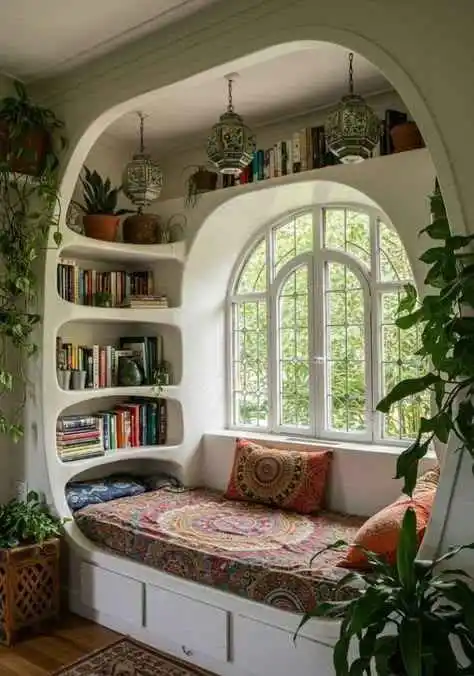
Books have a unique way of making a house feel warm and inviting. Even in today’s digital world, a dedicated space for reading offers countless benefits beyond simply storing your favorite novels.
A home library:
- Encourages daily reading habits
- Creates a quiet escape from busy routines
- Adds sophistication to your décor
- Keeps books organized and protected
- Increases the functionality of unused wall space
Unlike bulky cabinets, wall shelving keeps the room feeling open while allowing your collection to become part of the décor itself.
Many homeowners are also incorporating libraries into multi-purpose spaces such as living rooms, bedrooms, offices, and even hallways. With the right shelving design, every unused wall has the potential to become a beautiful reading destination.
Planning Your Home Library Before Buying Shelves
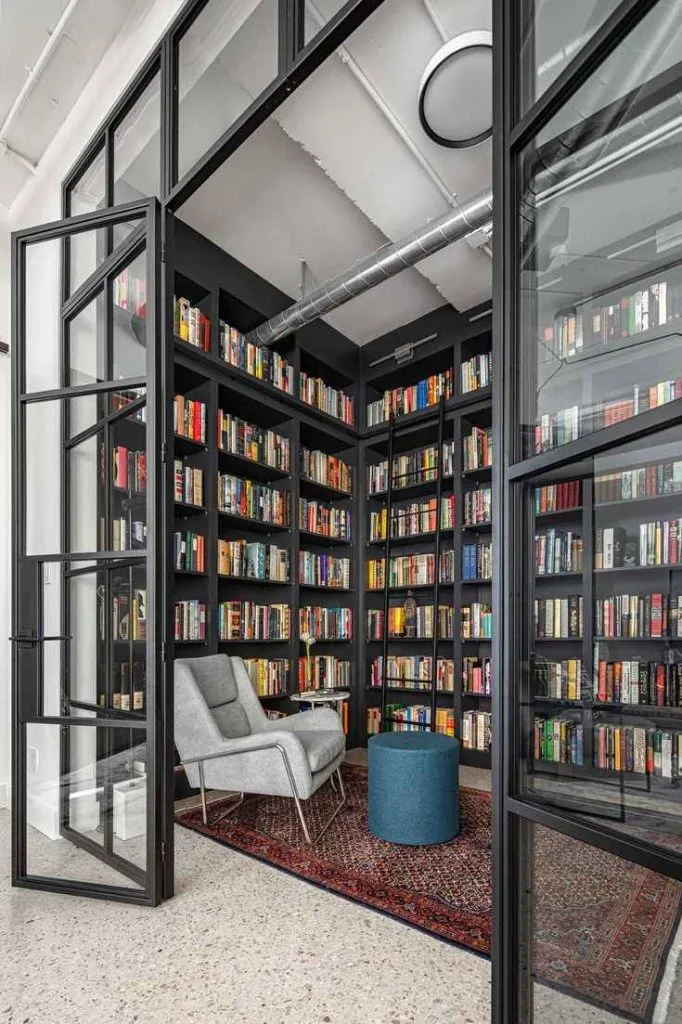
One of the biggest mistakes homeowners make is purchasing shelves before planning the overall layout.
Instead, begin by asking yourself a few important questions:
How many books do you own?
Take inventory of your collection.
- Under 100 books
- 100–300 books
- 300+ books
Knowing your storage needs helps determine whether floating shelves, modular systems, or built-in shelving will work best.
What else will the shelves display?
Modern Home Library often include:
- Family photographs
- Decorative vases
- Indoor plants
- Artwork
- Candles
- Collectibles
A balanced combination of books and decorative objects creates visual interest while preventing shelves from looking overcrowded.
If you’re looking for creative ways to decorate shelves with artwork, check out our DIY Wall Art Ideas for budget-friendly inspiration that pairs beautifully with Home Library.
Choosing the Best Location for Your Home Library
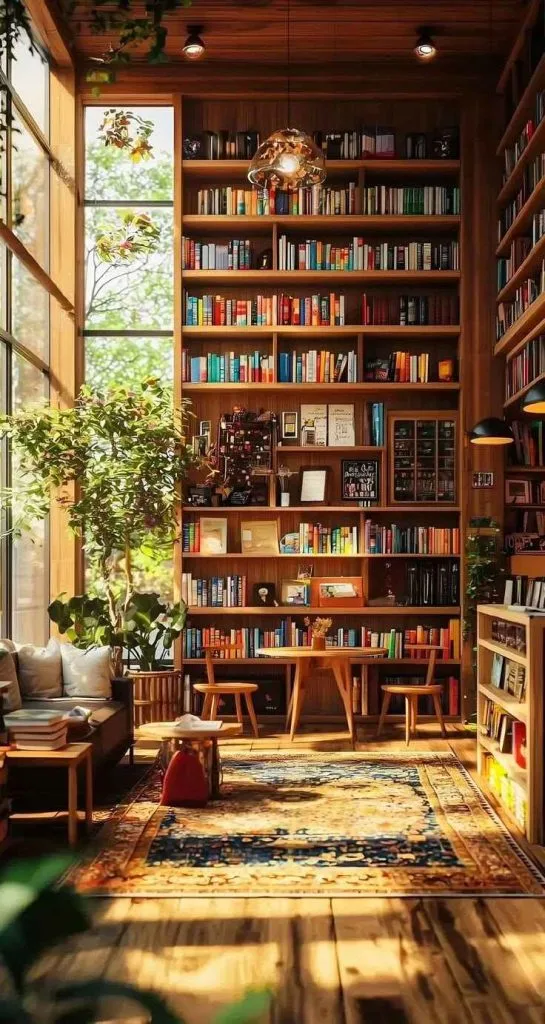
A home library doesn’t have to occupy an entire room.
Some of the best locations include:
Living Room
Living rooms naturally become gathering spaces, making them ideal for showcasing books while encouraging family reading time.
Large wall shelving surrounding a television or fireplace creates a luxurious built-in appearance.
If you’re redesigning your living area, our guide to Minimalist Living Room offers practical ideas for keeping bookshelves stylish without creating visual clutter.
Home Office
Working from Home Library has increased the popularity of office libraries.
Shelving behind a desk creates:
- Professional video call backgrounds
- Easy access to reference materials
- Better organization
Combining books with decorative storage baskets keeps the office neat and functional.
Bedroom Reading Corner
Bedrooms make wonderful locations for smaller personal libraries.
Install floating shelves above:
- Reading chairs
- Window seats
- Bed headboards
Soft lighting and comfortable seating instantly transform the area into a relaxing retreat.
For creating an even cozier atmosphere, don’t miss our Cozy Bedroom Lighting guide filled with warm lighting ideas perfect for evening reading.
Hallways
Long hallways often contain unused wall space.
Narrow wall shelving can:
- Display favorite novels
- Hold decorative objects
- Make empty corridors feel purposeful
Even slim shelving dramatically changes how transitional spaces look.
Measuring Your Space Correctly
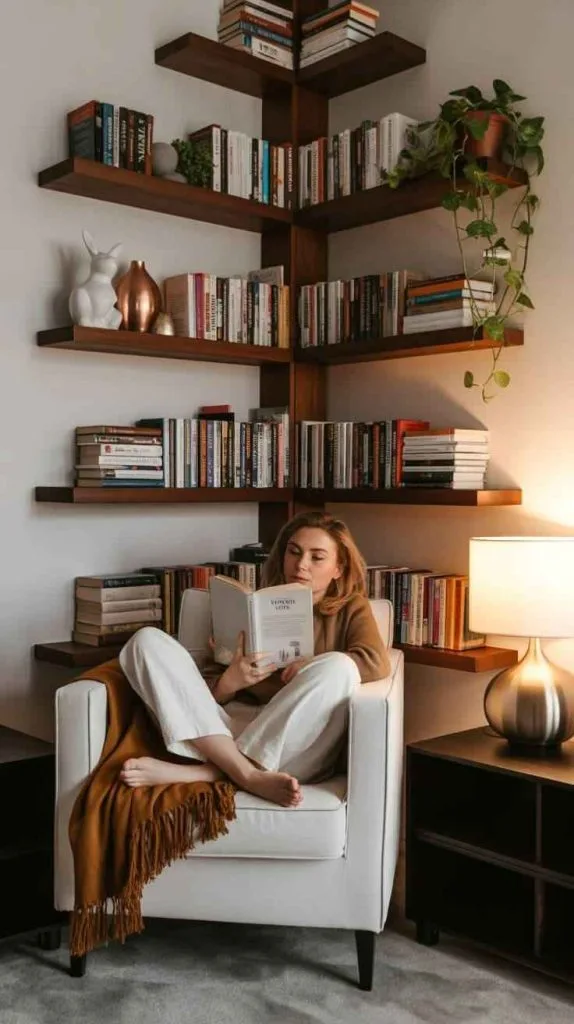
Proper measurements prevent expensive mistakes.
Measure:
- Ceiling height
- Wall width
- Door clearance
- Window placement
- Electrical outlets
- Baseboards
Always leave walking space between furniture and shelving.
For smaller homes, maximizing every inch is essential. Our Small Space Decor guide shares practical techniques for making compact rooms feel larger while adding functional storage.
Popular Wall Shelving Styles for Home Library
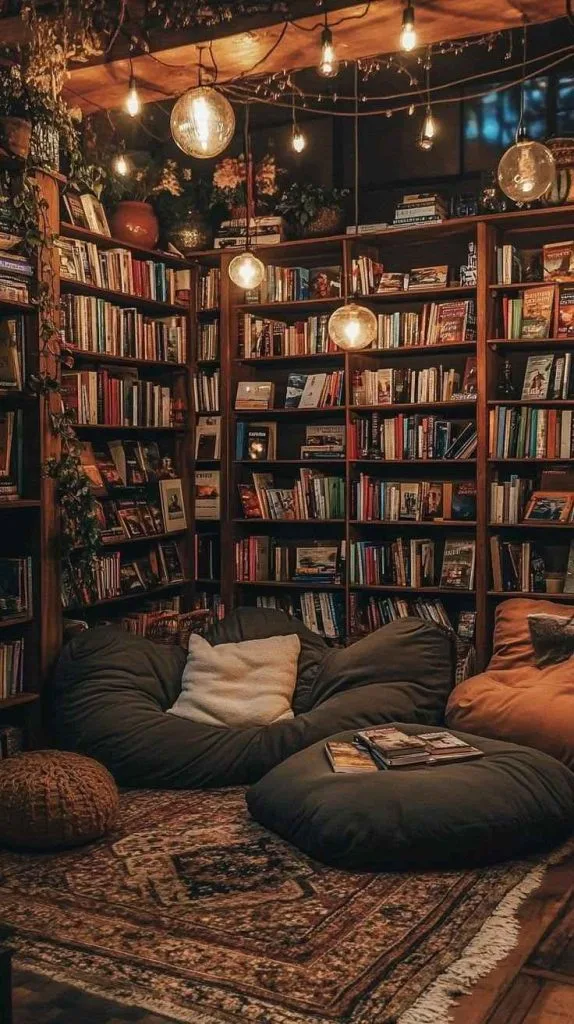
The style of shelving you choose influences both storage capacity and overall aesthetics.
Let’s explore the most popular options.
1. Built-In Wall Shelves
Built-ins provide the most luxurious appearance.
Advantages include:
- Custom sizing
- Seamless design
- Higher property value
- Maximum storage
Because they extend from floor to ceiling, they utilize every inch of vertical space.
They’re especially suitable for homeowners planning long-term renovations.
2. Floating Shelves
Floating shelves remain one of today’s biggest interior design trends.
Benefits include:
- Clean modern appearance
- Easy installation
- Budget-friendly
- Flexible arrangement
They’re perfect for displaying:
- Best-selling novels
- Decorative sculptures
- Small plants
- Framed photographs
Floating shelves work particularly well in apartments where space is limited.
If you’re decorating a compact home, you’ll also enjoy our collection of Tiny Apartment Decor ideas for maximizing style without sacrificing functionality.
3. Ladder Shelving
Ladder shelves lean against the wall rather than attaching permanently.
They’re ideal for:
- Renters
- Small apartments
- Temporary setups
The open design keeps rooms feeling bright while providing generous display space.
4. Cube Shelving
Cube shelves offer incredible flexibility.
Each compartment can hold:
- Books
- Storage baskets
- Decorative accessories
- Plants
This design works well for families because sections can be dedicated to different categories.
5. Floor-to-Ceiling Libraries
Nothing compares to a dramatic floor-to-ceiling bookshelf.
Benefits include:
- Luxury appearance
- Massive storage
- Stunning focal point
- Efficient use of vertical space
Adding a rolling ladder completes the classic library aesthetic.
Choosing the Right Shelving Material
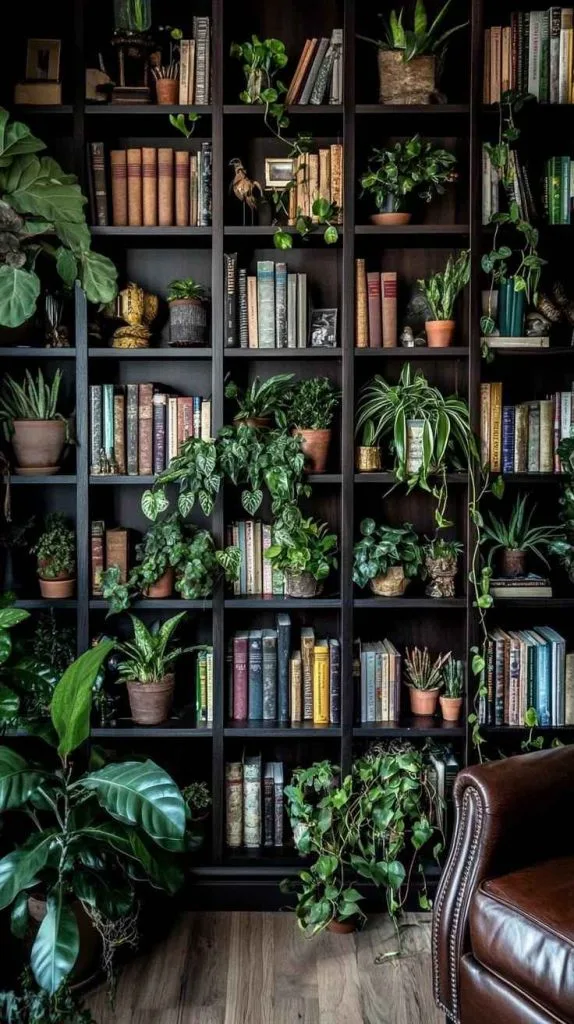
Material selection affects durability, maintenance, and style.
Here are the most common options.
Solid Wood
Solid wood remains the gold standard.
Popular species include:
- Oak
- Walnut
- Maple
- Pine
Advantages:
- Extremely durable
- Timeless appearance
- Easy refinishing
- Strong enough for heavy books
Wood shelves suit nearly every decorating style
MDF
Medium-density fiberboard is an affordable alternative.
Pros:
- Smooth finish
- Paints beautifully
- Budget-friendly
Cons:
- Less moisture resistant
- Lower weight capacity
Metal Shelving
Industrial-inspired libraries often feature black steel shelving.
Advantages:
- Modern look
- High durability
- Slim profile
- Excellent strength
Metal combines beautifully with reclaimed wood for an urban design style.
Glass Shelving
Glass shelves create a lighter appearance.
They’re best used for:
- Decorative collectibles
- Limited book displays
- Accent shelving
Because books are heavy, glass works better alongside stronger shelving systems rather than replacing them entirely.
Matching Shelving with Your Interior Style
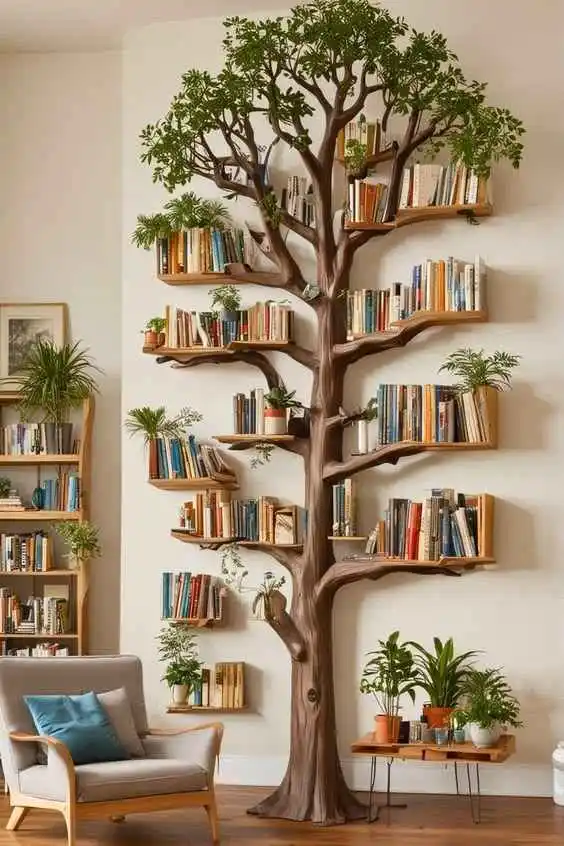
Your home library should blend naturally with the rest of your décor.
Modern Homes
Choose:
- Floating shelves
- White finishes
- Hidden brackets
- Minimal styling
If your Home Library follows a clean, neutral palette, explore our Home Decor Inspo Ideas for inspiration on maintaining a cohesive modern aesthetic.
Rustic Homes
Use:
- Reclaimed wood
- Natural finishes
- Black iron brackets
- Vintage accessories
These elements create warmth and character that complement traditional book collections.
Scandinavian Style
Focus on:
- Light wood
- White walls
- Soft textures
- Functional simplicity
The result is bright, uncluttered, and inviting.
Traditional Libraries
Classic libraries typically feature:
- Dark wood cabinetry
- Crown molding
- Rich leather seating
- Warm lighting
This timeless combination creates a sophisticated reading retreat that never goes out of style.
Planning Shelf Heights
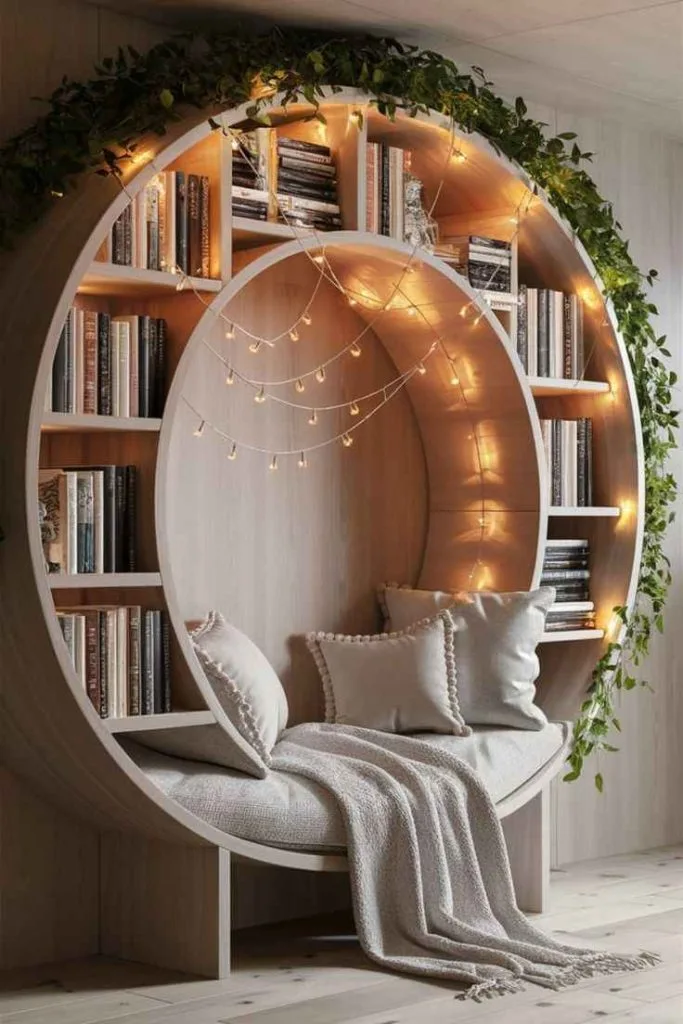
Not every shelf should be identical.
Instead, vary spacing for:
- Tall art books
- Standard novels
- Decorative baskets
- Plants
- Framed artwork
This variation makes shelves feel professionally designed rather than repetitive.
A useful guideline is to reserve lower shelves for heavier books while placing decorative pieces higher to create visual balance.
Styling Your Wall Shelves Like a Professional Designer
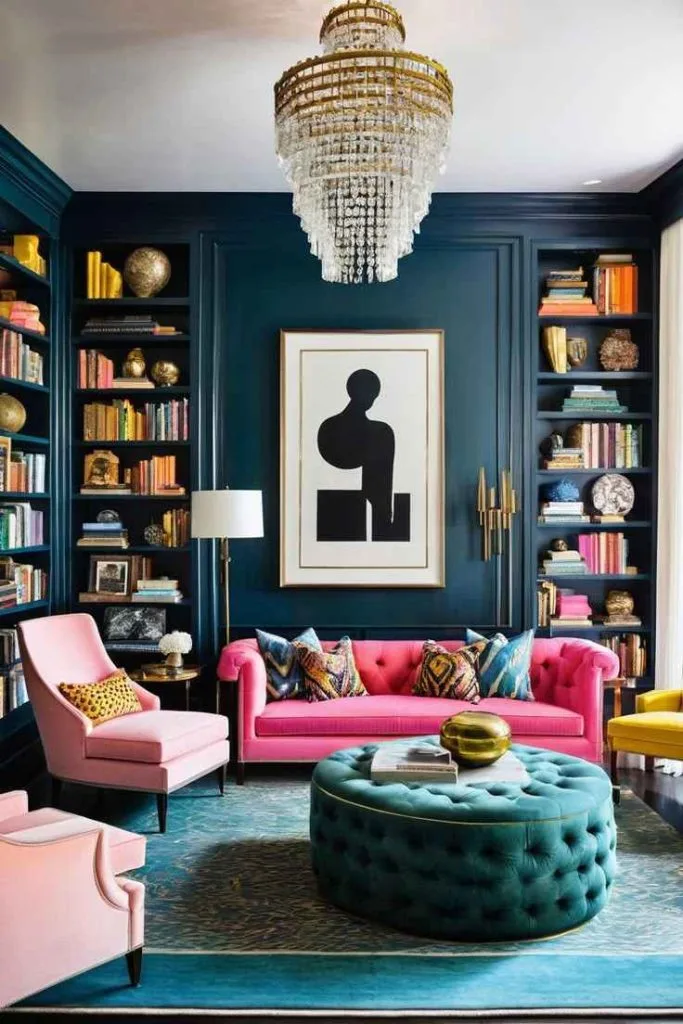
Once your shelves are installed, the next step is turning them into an eye-catching feature instead of simply a place to stack books. Professionally styled shelves create balance, add personality, and make your library feel like an intentional part of your home’s décor.
The secret is to combine functionality with decorative elements.
A well-styled shelf usually includes:
- Books in different orientations
- Decorative objects
- Small indoor plants
- Artwork
- Personal keepsakes
- Storage baskets
Avoid filling every inch with books. Leaving a little empty space helps each item stand out and keeps the overall look light and organized.
If you love decorating with greenery, explore our Indoor House Plants guide for easy-to-care-for plants that thrive indoors and pair beautifully with bookshelves.
Organizing Books for Both Beauty and Function
Everyone organizes books differently, but choosing a consistent system makes it easier to find what you’re looking for while creating a polished appearance.
Here are some popular methods.
Organize by Genre
Grouping books into categories keeps your collection practical.
Examples include:
- Fiction
- Mystery
- Biography
- Self-help
- History
- Children’s books
- Cookbooks
This method works especially well for large collections.
Arrange by Color
Color-coordinated bookshelves have become popular on Pinterest and Instagram because they create an artistic statement.
Although this method sacrifices some practicality, it produces a visually cohesive display that’s perfect for modern homes.
For more inspiration on creating Pinterest-worthy spaces, check out our Pinterest Aesthetic Homes article.
Organize Alphabetically
Book lovers with extensive collections often prefer arranging books by author or title.
This system makes locating books much faster while maintaining a clean appearance.
Mix Vertical and Horizontal Stacks
Instead of standing every book upright, create variety by stacking a few horizontally.
Horizontal stacks also provide platforms for decorative accents such as:
- Candles
- Small sculptures
- Framed photos
- Ceramic bowls
This simple technique adds depth and prevents shelves from looking repetitive
Decorating Around Your Books
Books should remain the stars of your library, but decorative accessories help create warmth and personality.
Consider adding:
Framed Artwork
Home Library Small framed prints placed between books break up long rows and introduce color.
Nature prints, vintage maps, botanical illustrations, and black-and-white photography all complement Home Library beautifully.
If you’re looking for creative display inspiration, browse our Photo Wall Ideas for layouts that can easily be adapted to bookshelf styling.
Indoor Plants
Plants instantly make shelves feel alive.
Great options include:
- Pothos
- Snake plants
- ZZ plants
- Peace lilies
- Small ferns
Choose compact varieties that don’t overwhelm your books.
Plants also improve air quality while softening the straight lines of shelving.
Decorative Objects
Use decorative accessories sparingly.
Popular choices include:
- Vintage clocks
- Sculptures
- Wooden bowls
- Brass candle holders
- Ceramic vases
Aim for odd-numbered groupings to create a more natural arrangement.
Personal Memorabilia
Family photographs, travel souvenirs, and meaningful keepsakes make your library unique.
Rather than displaying everything at once, rotate seasonal or sentimental pieces throughout the year to keep the shelves feeling fresh.
Lighting Your Home Library
Lighting plays a huge role in making your library inviting.
A combination of natural and artificial lighting works bestMaximize Natural Light
If possible, position your reading chair near a window.
Natural daylight:
- Reduces eye strain
- Creates an open atmosphere
- Makes colors appear more vibrant
However, avoid placing valuable books in direct sunlight for long periods, as UV rays can fade book covers and damage paper over time.
Install Wall Sconces
Wall-mounted sconces save floor space while adding elegance.
They’re especially useful beside reading chairs or between built-in shelving.
Warm white bulbs create the most comfortable reading environment.
LED Shelf Lighting
LED strips installed beneath shelves provide subtle illumination.
Benefits include:
- Highlight decorative objects
- Improve nighttime visibility
- Add luxury without major renovations
- Energy efficiency
LED lighting transforms ordinary bookshelves into stunning focal points after sunset.
Floor Lamps
A stylish floor lamp beside your reading chair creates the perfect reading nook.
Look for adjustable lamps that allow you to direct light onto your book without causing glare.
To create an even cozier atmosphere throughout your home, don’t miss our Cozy Bedroom Lighting guide, which shares lighting principles that also work beautifully in Home Library.
Choosing Comfortable Seating
Every dream library deserves a comfortable place to sit.
The right chair encourages longer reading sessions while completing the room’s design.
Popular options include:
- Wingback chairs
- Recliners
- Accent chairs
- Chaise lounges
- Window seats
Pair seating with a soft throw blanket and supportive cushions for added comfort.
If you’re decorating a multi-purpose room, our Luxury Sofa Design Ideas article offers inspiration for seating that blends comfort with timeless style.
Adding Functional Storage Beyond Books
Books aren’t the only things your shelves can store.
Hidden storage keeps your library neat and organized.
Consider using:
- Decorative baskets
- Fabric bins
- Storage boxes
- Magazine holders
These containers are ideal for:
- Charging cables
- Office supplies
- Bookmarks
- Journals
- Children’s toys
Blending open shelving with concealed storage creates a clean and clutter-free appearance.
Creating a Cozy Reading Corner
Even a small reading corner can become your favorite place in the house.
Include:
- Comfortable seating
- Soft lighting
- Small side table
- Throw blanket
- Footrest
- Indoor plant
A textured area rug also helps define the reading space while adding warmth underfoot.
If you’re refreshing your room at the same time, explore our Room Makeover Ideas for additional inspiration that complements your new home library.
Choosing the Perfect Color Palette
The colors surrounding your shelves influence the mood of your reading spaceNeutral Tones
Whites, creams, and soft grays create timeless elegance while allowing colorful book spines to become decorative accents.
If you love bright interiors, our White Cream Color Combination guide offers ideas for creating a calm and sophisticated backdrop.
Earthy Colors
Warm browns, olive greens, terracotta, and muted beige tones create an inviting atmosphere that feels connected to nature.
These shades pair beautifully with wooden shelving and leather furniture.
Dark Library Walls
Deep colors like navy blue, charcoal, forest green, and rich brown create dramatic Home Library.
Dark walls make books stand out while producing a luxurious reading environment.
Balance darker walls with warm lighting to keep the room from feeling too enclosed.
Decorating Shelf Ends and Corners
Many homeowners overlook the ends of shelving units.
Instead of leaving these areas empty, style them with:
- Leaning artwork
- Small baskets
- Sculptural objects
- Plants
- Decorative bookends
Corner shelves can also display seasonal décor without interrupting your main book organization.
For more decorative inspiration throughout the year, browse our Seasonal Decor guide to refresh your shelves with each season.
Using Decorative Bookends
Bookends do much more than keep books upright.
They also serve as stylish design elements.
Popular materials include:
- Marble
- Brass
- Wood
- Stone
- Glass
Choose bookends that complement your home’s overall style while adding visual interest to your shelves.
Displaying Collectibles Alongside Books
A home library doesn’t have to contain only books.
Many homeowners display:
- Vintage cameras
- Antique clocks
- Pottery
- Globes
- Travel souvenirs
- Family heirlooms
Mixing collectibles with books creates a library that tells your personal story while making the space feel curated rather than staged.
Home Library Ideas for Small Spaces
Creating a beautiful home library doesn’t require a dedicated room. With smart planning, even the smallest apartment or cozy corner can become a relaxing reading retreat.
Use Vertical Wall Space
When floor space is limited, think vertically. Install shelves that extend toward the ceiling to maximize storage while keeping the room open. Floor-to-ceiling shelving also creates the illusion of taller walls, making compact spaces feel larger.
If you’re decorating a compact home, explore our Small Space Decor guide for more clever ways to maximize every inch.
Turn an Empty Corner into a Reading Nook
Unused corners are perfect for creating a mini library. Add a corner bookshelf, a comfortable chair, and a small lamp to create a peaceful reading area without taking over the room.
For apartment-friendly inspiration, check out our Tiny Apartment Decor ideas.
Install Shelves Above Furniture
The wall above your sofa, desk, or bed is valuable storage space. Floating shelves installed above furniture keep books within easy reach while maintaining a clean layout.
If you’re redesigning your living area, our Small Living Room Layout guide offers additional space-saving ideas.
DIY Wall Shelving Projects
Building your own shelves is one of the easiest ways to personalize your home library while saving money.
Floating Wooden Shelves
Floating shelves are beginner-friendly and work with almost every decorating style. Solid wood boards combined with hidden brackets create a modern, clean appearance that highlights your books.
Complete the look by adding framed artwork from our DIY Wall Art Ideas collection.
Reclaimed Wood Shelves
Reclaimed wood adds warmth, texture, and character to your library. Every board has unique grain patterns that give the space a one-of-a-kind look.
Pair reclaimed wood with black metal brackets for a rustic-industrial style.
Crate Bookshelves
Wooden crates can be stacked and secured to the wall, creating affordable modular shelving. This option is perfect for renters or homeowners looking for a weekend DIY project.
If you enjoy creative wood projects, you’ll also love our Pallet Table Ideas guide.
How to Keep Your Home Library Organized
A beautiful library stays enjoyable when it’s well organized.
Declutter Regularly
Review your collection every few months. Donate books you no longer read and remove damaged items that no longer serve a purpose.
Keeping only your favorite books ensures the shelves remain tidy and visually appealing.
Dust Shelves Frequently
Books naturally collect dust over time. Use a microfiber cloth to clean shelves weekly and gently dust book covers to keep your collection looking fresh.
Protect Books from Moisture
Humidity can damage paper, warp covers, and encourage mold growth. Avoid placing bookshelves near damp walls or areas with excessive moisture.
Rotate Decorative Accessories
Changing decorative accents throughout the year keeps your shelves looking fresh without purchasing new furniture.
Seasonal candles, small pumpkins, greenery, or festive decorations can instantly update your library’s appearance.
Find more decorating inspiration in our Seasonal Decor Ideas guide.
Common Home Library Design Mistakes to Avoid
Even beautiful shelving can lose its impact if common decorating mistakes aren’t avoided.
Overcrowding Every Shelf
Leaving a little empty space allows decorative pieces and books to stand out. Overfilled shelves often make a room feel cluttered and overwhelming.
Ignoring Lighting
Poor lighting makes reading uncomfortable and reduces the cozy atmosphere that every library should have.
Layer natural light, floor lamps, and wall sconces for the best results.
Using Weak Shelving Materials
Books are surprisingly heavy. Thin particle board may begin to sag over time.
Invest in quality wood or sturdy metal shelving if you have a large collection.
Forgetting Decorative Balance
Bookshelves shouldn’t contain only books. Mix in plants, artwork, baskets, and decorative objects to create depth and personality.
Our Home Library Decor Inspo Ideas article offers plenty of styling inspiration for balanced shelves.
Choosing the Wrong Shelf Depth
Very shallow shelves may not fit larger books, while extra-deep shelves waste valuable wall space. Measure your book collection before purchasing shelving to ensure a practical fit.
Budget-Friendly Tips for Building a Home Library
Creating your dream library doesn’t have to be expensive.
Shop Second-Hand
Visit thrift stores, flea markets, and online marketplaces for quality bookshelves, vintage décor, and reading chairs at affordable prices.
Mix Affordable and Premium Pieces
Save money by investing in durable shelving while choosing budget-friendly decorative accessories.
You’ll find more affordable decorating inspiration in our Budget Decor Ideas guide.
Repurpose Existing Furniture
Old cabinets, sideboards, or bookcases can often be painted or refinished to match your new library style instead of purchasing everything new.
Frequently Asked Questions
How much space do I need for a home library?
You don’t need an entire room to create a beautiful home library. A single empty wall, an unused corner, or even the area above a desk can become an attractive reading space with the right shelving. Vertical storage solutions help maximize small spaces while keeping the room organized.
If you’re decorating a compact home, you’ll also find useful ideas in our Apartment Inspiration guide.
What is the best material for bookshelf wall shelving?
Solid wood is the most durable option because it supports heavy books and lasts for many years. Metal shelving is another excellent choice for modern interiors, while MDF offers a more budget-friendly alternative for lighter book collections.
How deep should library shelves be?
For most books, shelves between 10 and 12 inches deep work perfectly. If you own oversized coffee table books or decorative albums, consider adding a few deeper shelves to accommodate them.
How do I style bookshelves without making them look cluttered?
The key is balance. Combine books with decorative accessories like plants, framed artwork, candles, baskets, and sculptures. Leave some open space between displays so each section feels intentional rather than overcrowded.
For more shelf styling inspiration, visit our Photo Wall Ideas article.
Can floating shelves hold heavy books?
Yes, but only when they’re installed correctly. Use high-quality brackets anchored into wall studs whenever possible. Always check the manufacturer’s weight limit before loading shelves with heavy hardcover books.
Which room is best for a home library?
Living rooms, Home Library offices, bedrooms, hallways, and even under-stair spaces can all become wonderful Home Library. The best location depends on your available space and reading habits.
Final Thoughts
A thoughtfully designed home library is much more than a place to store books it’s a personal retreat where comfort, creativity, and organization come together. Whether you choose custom built-in shelving, sleek floating shelves, or budget-friendly DIY solutions, the right wall shelving can completely transform your space while reflecting your personality.
Remember to start with careful planning, choose durable materials, and style your shelves with a mix of books, greenery, artwork, and meaningful décor. Don’t forget the importance of comfortable seating and layered lighting, as these finishing touches create an inviting atmosphere you’ll enjoy every day.
Even if you have limited square footage, smart storage solutions and vertical shelving can help you build a stunning library without sacrificing valuable floor space. By maintaining your shelves, rotating decorative accents, and keeping your collection organized, your home library will remain beautiful and functional for years to come.
If you’re planning to refresh other areas of your Home Library as well, explore our Room Makeover Ideas for more inspiration and practical decorating tips.
Creating your dream home library isn’t about having the biggest room it’s about designing a space that encourages you to slow down, relax, and enjoy the simple pleasure of reading.


