
Easy Ways to Update Your Home Without Replacing Furniture (2026 Guide)
There’s a common myth in home decor that a fresh, updated space requires a shopping spree. New sofa, new bed frame, new dining table — the bill adds up fast, and most of us don’t have a spare few thousand dollars sitting around for a full furniture overhaul. The good news is that you don’t need one. Learning how to update your home without replacing furniture is one of the most useful skills a homeowner or renter can pick up, because it proves that a tired-looking room usually isn’t a home without replacing furniture problem at all — it’s a styling problem.
With a few strategic changes, the same couch, bed, and shelving you’ve had for years can feel completely different. This guide walks through the most effective, budget-friendly ways to refresh your space using what you already own, plus a few small additions that make a disproportionately big impact — room by room, so you can start wherever your home needs it most.
Why Furniture Isn’t Usually the Problem
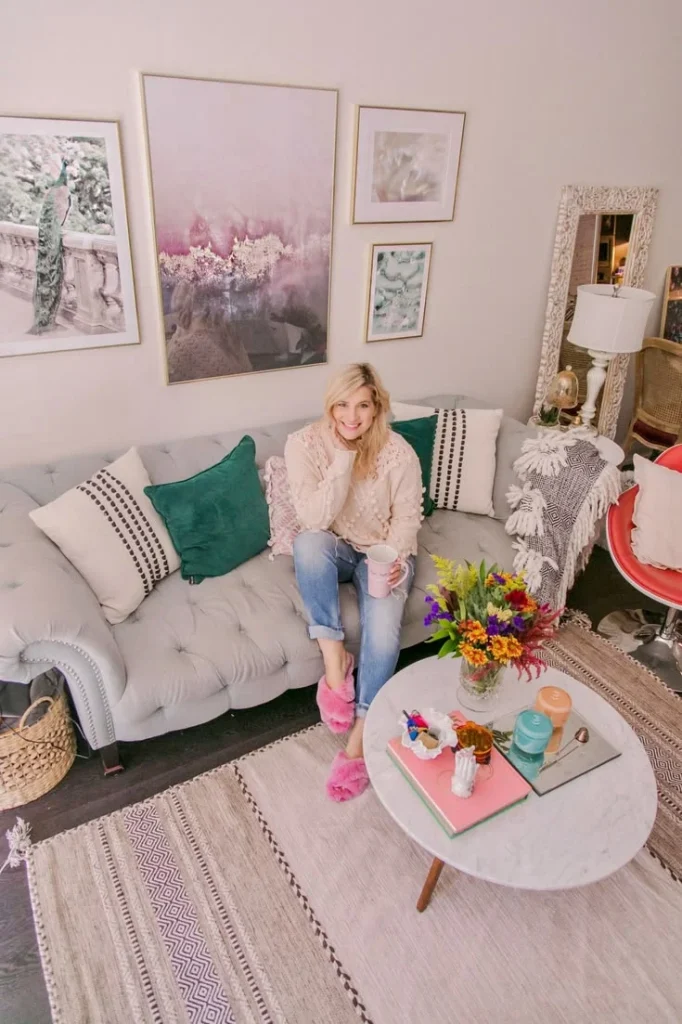
When a room feels stale, it’s tempting to blame the home without replacing furniture itself. But more often than not, the actual issue is one of a few smaller things: outdated color accents, cluttered surfaces, flat lighting, or a lack of visual layering. Furniture is expensive to replace and often still perfectly functional — it’s everything around it that’s usually doing the heavy lifting when a space starts to feel dated.
This is genuinely good news. It means you can update your home without replacing furniture in a way that’s often more effective than buying new pieces, since you’re addressing the actual source of the problem instead of masking it with something shiny and new. Once you start looking at your rooms through this lens, it becomes much easier to see exactly what’s worth changing — and what was never really the issue in the first place.
Start With a Fresh Color Palette
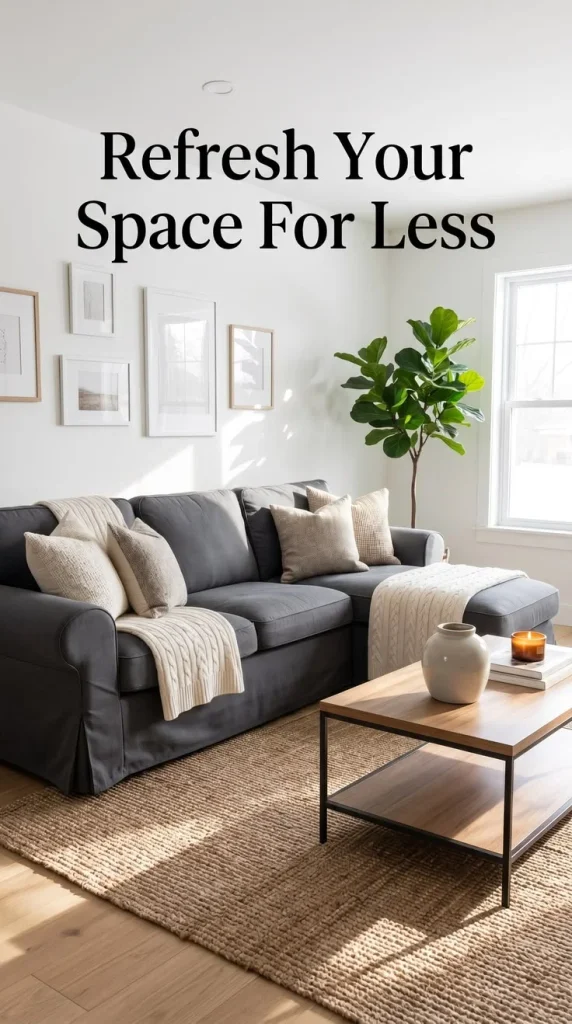
One of the fastest ways to transform a room is by rethinking its color story — without touching a single piece of home without replacing furniture. Adding a new accent wall color, swapping out curtains, or introducing a cohesive palette through smaller decor items can completely change how a room feels, even if the furniture underneath stays exactly the same.
If you’re not sure where to start, our guide to color harmony palettes breaks down how to choose complementary tones that tie a room together, and our room color schemes ideas post has specific palette combinations you can borrow directly for your own space. This is often the single highest-impact step in learning how to update your home without replacing furniture, because color touches every surface in a room at once.
Rethink Your Textiles
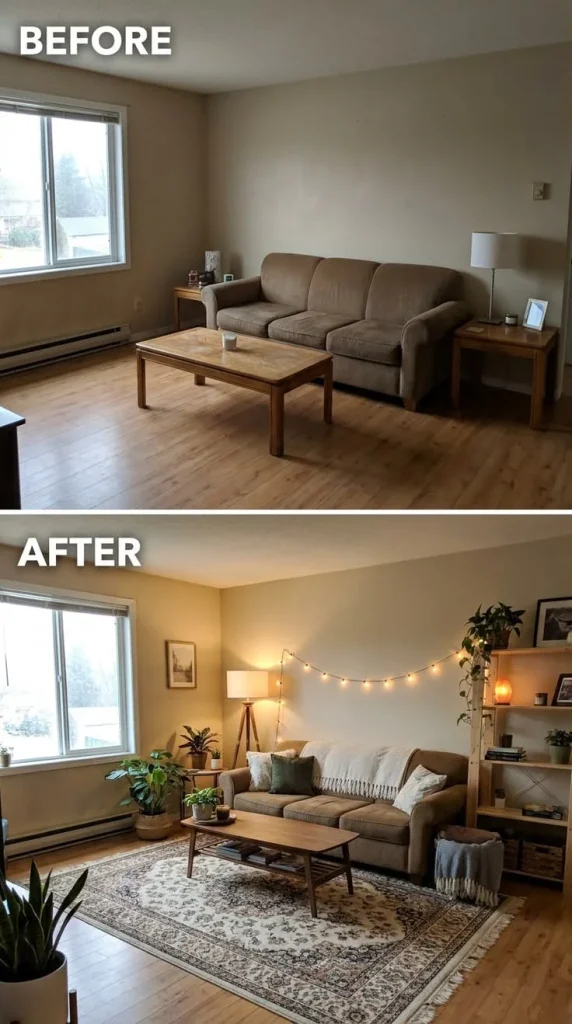
Textiles are one of the most underrated tools for refreshing a home, because they touch nearly every piece in a room — and they’re relatively inexpensive to swap out compared to the home without replacing furniture itself.
New throw pillows are the easiest place to start. A fresh combination of textures and colors on an old sofa can make it look like a brand-new piece. Our throw pillow combinations guide has pairing ideas that work for almost any existing furniture color, from neutral sofas to bolder statement pieces.
Beyond pillows, consider a new area rug, updated curtains, or a fresh duvet cover for the bedroom. Each of these textile swaps changes the visual weight and color story of a room without requiring you to move a single heavy piece of home without replacing furniture. If you’ve ever wondered how to update your home without replacing furniture on a genuinely tight timeline, textiles are usually the fastest category to change — most swaps take less than an hour.
Layer in Wall Decor
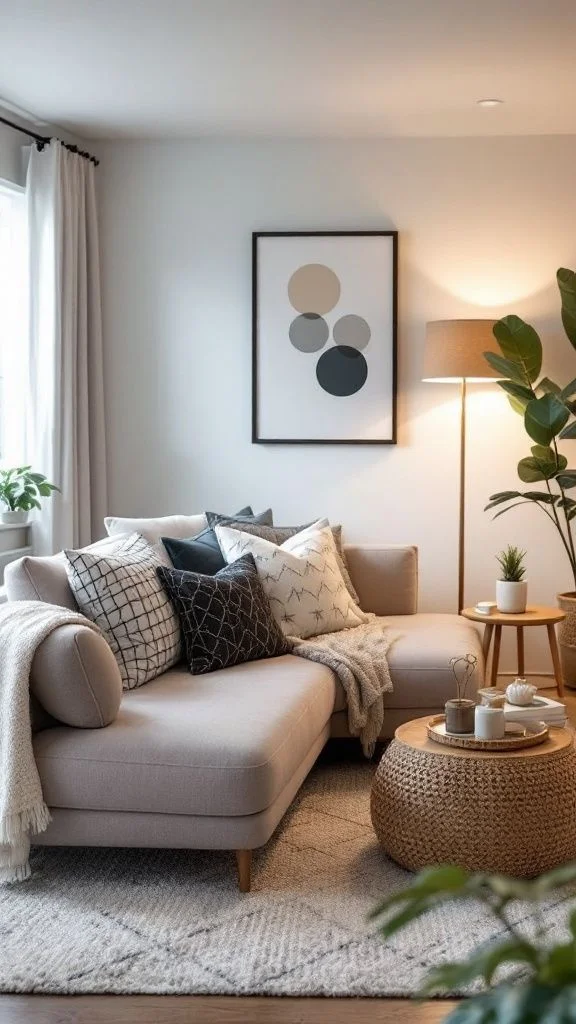
Adding wall art, a gallery wall, or textured wallpaper is one of the highest-impact, lowest-cost ways to update your home without replacing furniture, since bare walls often make even beautifully furnished rooms feel unfinished.
If you love the idea of a curated wall but aren’t sure where to begin, our diy wall art ideas guide has approachable projects for every skill level, and our photo wall ideas post shows how personal photography can double as decor. For a more dramatic transformation, floral wallpapers on a single accent wall can completely shift the mood of a room while leaving your existing furniture untouched.
Change Your Lighting
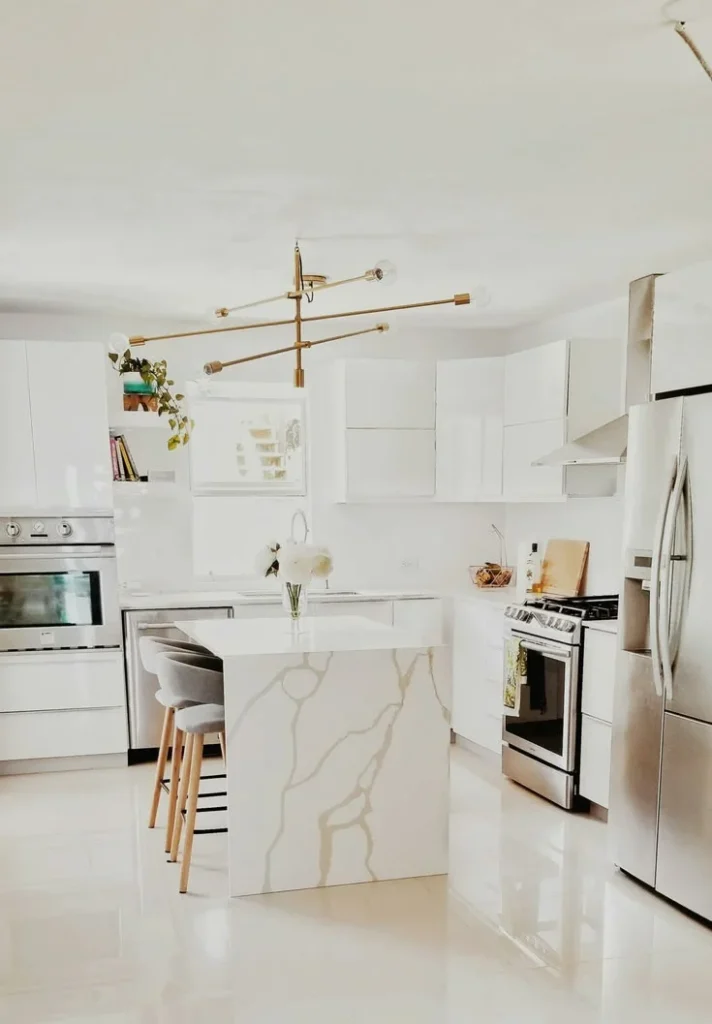
Lighting has an outsized effect on how a room feels, and it’s an area most people overlook when they try to update their home without replacing furniture. Swapping out a dated overhead fixture, adding a floor lamp with warmer bulbs, or layering in smaller accent lighting like string lights or a table lamp can transform the entire mood of a room in an afternoon.
Warm, layered lighting tends to make home without replacing furniture look more intentional and cohesive, even if nothing about the pieces themselves has changed. A well-placed lamp can make an old armchair look like it was styled by a professional — proof that light is doing far more work in a room than most people realize.
Rearrange What You Already Have

Sometimes the most effective — and completely free — way to refresh a room is simply rearranging the home without replacing furniture you already own. A new layout can make a space feel larger, more functional, and genuinely different without spending a cent.
If you’re working with a smaller room, our small space decor and small living room layout guides both offer practical layout strategies that maximize flow and make existing home without replacing furniture feel more purposeful. Even something as simple as angling a sofa differently or moving a bookshelf to a new wall can make a room feel like it’s had a full makeover — one of the clearest examples of how you can update your home without replacing furniture using nothing but a free afternoon.
Add Greenery and Natural Texture
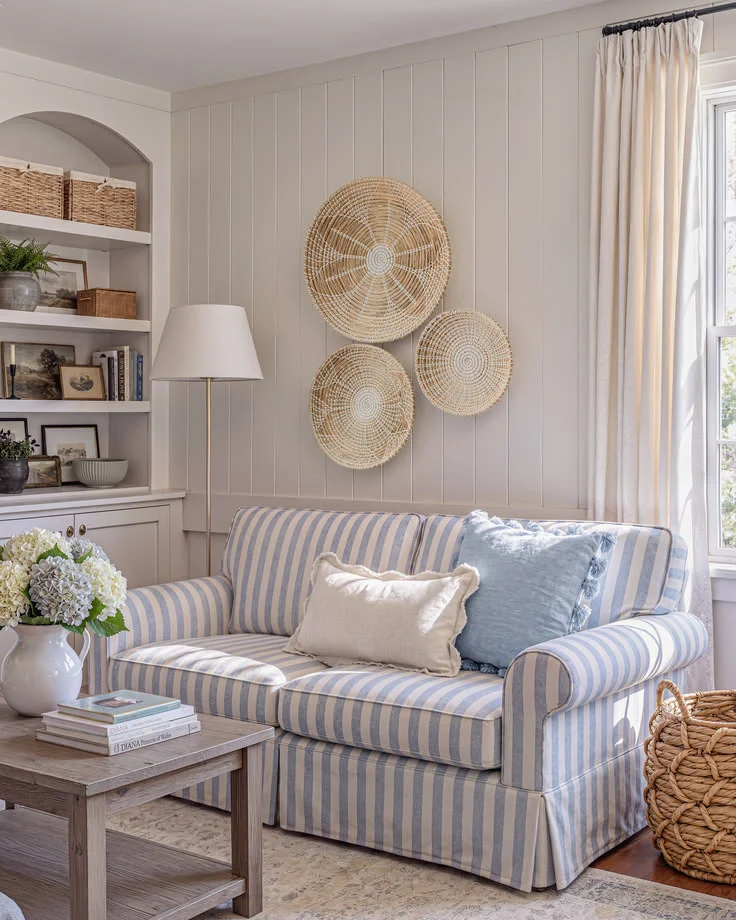
Plants are one of the simplest, most affordable ways to update your home without replacing furniture, since they breathe life into a room through color, texture, and a genuine sense of freshness that static pieces alone can’t provide. Our indoor house plants guide has options for every light level and skill level, whether you’re working with a sunny window or a dim corner.
Natural textures beyond plants — woven baskets, wooden trays, or a jute rug — also add warmth and depth to a room, softening the look of furniture that might otherwise feel a bit flat or overly matched.
Refresh Small Surfaces and Accessories
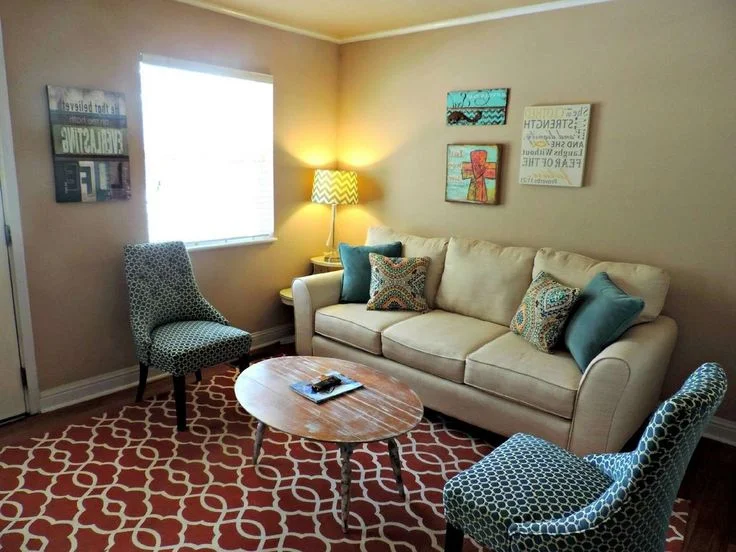
Coffee tables, console tables, and shelves are prime real estate when you want to update your home without replacing furniture. Swapping out old accessories for a few curated new pieces — a stack of books, a ceramic vase, a small tray — can make an entire room feel more intentional without any structural change at all.
If your entryway or console table has felt neglected, our entryway table ideas guide offers styling inspiration that works with furniture you likely already own, proving once again that thoughtful styling often matters more than the piece itself.
A Room-by-Room Guide to Updating Without Replacing Furniture
Different rooms respond to different kinds of refreshes when you’re trying to update your home without replacing furniture. Here’s a quick breakdown of where to focus your energy in each space.
Living room: This is usually the room with the most furniture and the biggest opportunity for change without buying new pieces. Focus on throw pillows, a new rug, layered lighting, and a refreshed coffee table styling. Rearranging your existing sofa and chairs into a new conversation-friendly layout can also make the whole room feel different.
Bedroom: A new duvet cover, updated pillow arrangement, and a couple of nightstand lamps go a long way. If your headboard or dresser feels dated, consider whether new hardware or a coat of paint could update it rather than replacing it entirely.
Kitchen: Swapping out cabinet hardware, adding a runner rug, or styling open shelving with a curated mix of dishware can transform a kitchen’s feel without touching the cabinets or countertops themselves.
Bathroom: New towels, a fresh shower curtain, and a couple of plants suited to humidity can make a bathroom feel like an entirely different space in under an hour.
Home office: A better desk lamp, a gallery wall behind your monitor, and a woven storage basket can turn a purely functional room into one that actually feels good to work in — all without buying a new desk or chair.
How Often Should You Refresh Your Home?
There’s no single right answer, but many people find that a light seasonal refresh — swapping textiles, rotating decor, and adjusting color accents — keeps a home feeling current without requiring a major overhaul more than once every few years. Trying to update your home without replacing furniture works especially well on this kind of rotating schedule, since smaller, less expensive changes are much easier to make regularly than large furniture purchases.
If you prefer a more structured approach, our seasonal mood boards guide is a helpful starting point for planning these smaller, recurring refreshes, and our seasonal decor post has specific ideas for updating a space throughout the year using accessories alone.
This approach also has a practical benefit: because you’re rotating smaller, less expensive items rather than committing to one permanent look, you can experiment more freely with colors and styles you might hesitate to commit to in furniture form.
A Simple Checklist for Updating Your Home Without Replacing Furniture
If you want a straightforward starting point, work through this list room by room:
- Declutter surfaces first — a clean surface makes everything placed on it look more intentional.
- Swap or add one new textile (pillows, rug, or curtains).
- Add or rearrange one piece of wall decor.
- Improve the lighting with at least one new lamp or bulb change.
- Introduce one plant or natural texture element.
- Rearrange existing furniture into a new layout, even temporarily, to see if it improves flow.
- Style one surface (coffee table, console, or shelf) with a curated, smaller collection of objects.
Working through even half of this list in a single room is often enough to make it feel noticeably different — proof that you really can update your home without replacing furniture using time and intention rather than a big budget.
Budget-Friendly Ways to Make It All Work
Refreshing a home this way is, by definition, one of the more budget-conscious approaches to home decor — but there are still ways to stretch your money even further. Our budget decor ideas guide has practical tips for finding affordable accessories, and our diy decor post covers projects you can make yourself for a fraction of retail cost.
Thrift stores, marketplace listings, and even items already in other rooms of your house are excellent (and free) sources for updating a space. A vase from the bedroom, repurposed in the living room, can feel like a brand-new find simply by being placed somewhere unexpected. This kind of internal “shopping” is one of the most overlooked tricks for anyone trying to update their home without replacing furniture on a limited budget.
Common Mistakes to Avoid
A few missteps can undercut your attempt to update your home without replacing furniture:
- Changing too many things at once without a plan. Random additions without a cohesive color story or theme can make a room feel more cluttered, not more updated.
- Ignoring scale. New decor items that are too small or too large for the existing furniture can throw off the balance of a room.
- Skipping lighting. Even the best styling falls flat under harsh, unflattering overhead light.
- Overlooking what you already own. Before buying anything new, walk through your home and see what could be repurposed or relocated first.
- Forgetting function. A refreshed room should still work for how you actually live — don’t sacrifice usability for aesthetics alone.
Frequently Asked Questions
Can I really make an old room feel new without buying furniture? Yes. In most cases, color, texture, lighting, and layout are doing more work in how a room “feels” than the furniture itself. Updating those elements is often enough to update your home without replacing furniture at all, and the transformation can be just as dramatic as a full furniture swap.
What’s the single best place to start? If you only have time for one change, start with textiles — new throw pillows, a rug, or curtains offer the fastest, most visible transformation for the least effort and cost.
How do I know if a piece of furniture actually needs replacing? If a piece is structurally sound and simply looks dated, it’s usually a styling fix rather than a replacement situation. Furniture typically needs replacing only when it’s uncomfortable, damaged beyond repair, or no longer fits your space or needs.
Is this approach more sustainable than buying new furniture? Generally, yes. Keeping furniture in use longer reduces waste, and most of the changes involved — rearranging, restyling, adding smaller accessories — have a much smaller environmental footprint than manufacturing and shipping new furniture. Choosing to update your home without replacing furniture is, in that sense, one of the more environmentally conscious decor decisions you can make.
Does this approach work for renters as well as homeowners? Yes, and arguably it works even better for renters, since many lease agreements restrict permanent changes or make large furniture purchases impractical for a temporary living situation. Nearly every technique in this guide — textiles, lighting, wall decor using removable hooks, plants, and rearranging — is renter-friendly and fully reversible.
Signs Your Home Needs a Refresh, Not New Furniture
It helps to know the difference between a room that needs new furniture and one that simply needs to be styled better. If your furniture is structurally sound, comfortable, and fits your space well, but the room still feels flat or dated, that’s a strong sign you can update your home without replacing furniture rather than shopping for replacements.
Common signals include: the room felt great when you first set it up but now feels “off” without an obvious reason, the color palette feels disconnected from the rest of your home, surfaces feel cluttered or empty rather than styled, or the lighting feels harsh, dim, or uneven. None of these issues require a new couch or bed frame to fix — they’re all addressed through the styling techniques covered in this guide.
On the other hand, if furniture is genuinely uncomfortable, structurally damaged, or no longer fits your household’s needs (a growing family, a new pet, a change in how you use a room), that’s a legitimate replacement situation rather than a styling one. Learning to tell these two scenarios apart saves both money and the frustration of buying something new that doesn’t actually solve the underlying problem.
How This Approach Fits Different Decor Styles
One of the best things about learning how to update your home without replacing furniture is that the technique works regardless of your personal style. The specific colors, textures, and accessories will look different depending on your aesthetic, but the underlying process — refresh color, layer texture, improve lighting, restyle surfaces — stays the same.
If your taste leans toward eclectic or maximalist styling, our quirky home decor ideas guide has plenty of inspiration for bold, personality-driven touches that work with furniture you already own. For a calmer, more curated aesthetic, our aesthetic home post offers a more restrained approach to the same principles. And if you’re working with a rental or smaller footprint, our apartment inspiration guide is full of ideas specifically suited to spaces where replacing furniture isn’t always practical or even allowed by a lease.
Whatever your style, the goal is the same: use color, texture, and layout to make existing pieces feel intentional rather than accidental.
Tools and Materials Worth Having on Hand
You don’t need a large toolkit to update your home without replacing furniture, but a few basics make the process smoother. A good measuring tape helps when planning new layouts or hanging wall art. Command strips or adhesive hooks allow you to add decor and lighting without damaging walls, which is especially useful for renters. A small sewing kit or fabric glue can extend the life of throw pillows and slipcovers, and a basic paint kit opens up options for refreshing frames, small furniture pieces, and accent walls without a full renovation.
Keeping a small “decor bin” of extra items — spare pillow covers, a folded throw blanket, a few frames — also makes it easier to rotate your styling seasonally without repurchasing items every time you want a change.
A Real-World Example: One Living Room, Three Refreshes
To see how much variety is possible without buying furniture, imagine a single living room with a neutral sofa, a wood coffee table, and a plain area rug. In its first version, the room might lean cozy and warm: rust-toned pillows, a chunky knit throw, and warm-toned lamps. A few months later, the same furniture could be restyled into a cooler, more minimalist look: swap in gray and white textiles, add a single sculptural vase, and switch to cooler-toned bulbs. Later still, that same sofa and table could anchor a bohemian-inspired refresh: layered rugs, patterned pillows, and hanging plants.
Three completely different moods, one unchanged set of furniture. This is the clearest possible proof that you can update your home without replacing furniture again and again, simply by rotating the smaller elements around it.
Final Thoughts
Knowing how to update your home without replacing furniture is one of the most valuable skills in home decor, because it proves that a fresh, current-feeling space is about thoughtful styling, not a big budget. Color, texture, lighting, layout, and small accessory changes can transform a room just as effectively as brand-new furniture — often for a fraction of the cost and effort. Start with one room, one change at a time, and you’ll likely find that the furniture you already own was never really the problem.


