
How to Organize Kitchen Cabinets Efficiently
How to Organize Kitchen Cabinets can completely transform the way you cook, clean, and enjoy your home. If you’ve ever spent several minutes searching for a spice jar, matching lid, or favorite mug, you’re not alone. How to Organize Kitchen Cabinets often become cluttered because they store a wide variety of items used daily. The good news is that with a thoughtful system, you can create a functional and efficient space that makes every How to Organize Kitchen Cabinets task easier.
Learning how to organize kitchen cabinets efficiently is not just about making your kitchen look neat. It’s about maximizing storage, improving accessibility, and reducing daily stress. Whether you have a large family kitchen or a compact apartment setup, the right organization strategies can help you make the most of every How to Organize Kitchen Cabinets.
Why Kitchen Cabinet Organization Matters
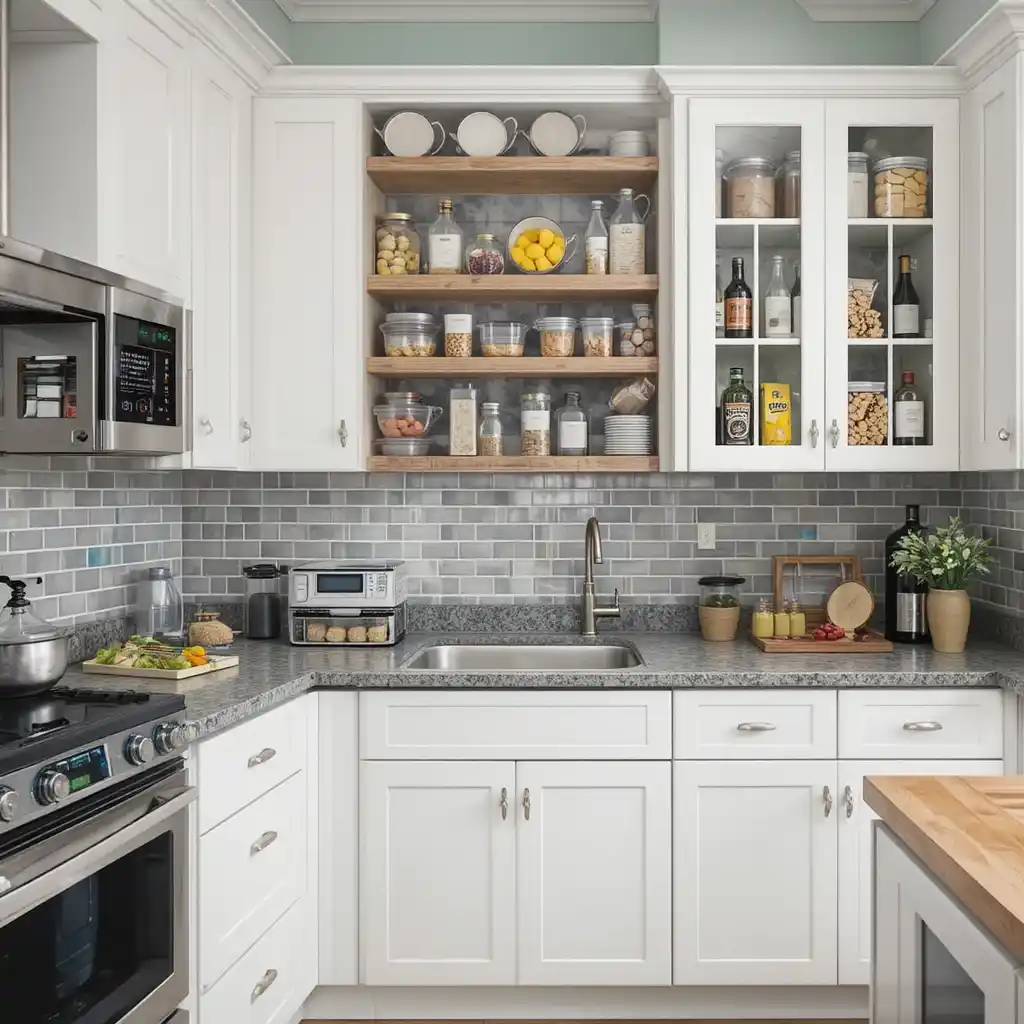
How to Organize Kitchen Cabinets are the backbone of How to Organize Kitchen Cabinets storage. When cabinets are organized properly, meal preparation becomes faster, groceries are easier to manage, and cleaning routines become more efficient.
An organized kitchen also helps reduce food waste because you can easily see what ingredients you already have. If you’re working with limited space, combining cabinet organization with smart small kitchen storage ideas can significantly increase your storage capacity.
Before diving into the organization process, take some time to evaluate how you currently use your kitchen and identify the biggest problem areas.
Start by Emptying Every Cabinet
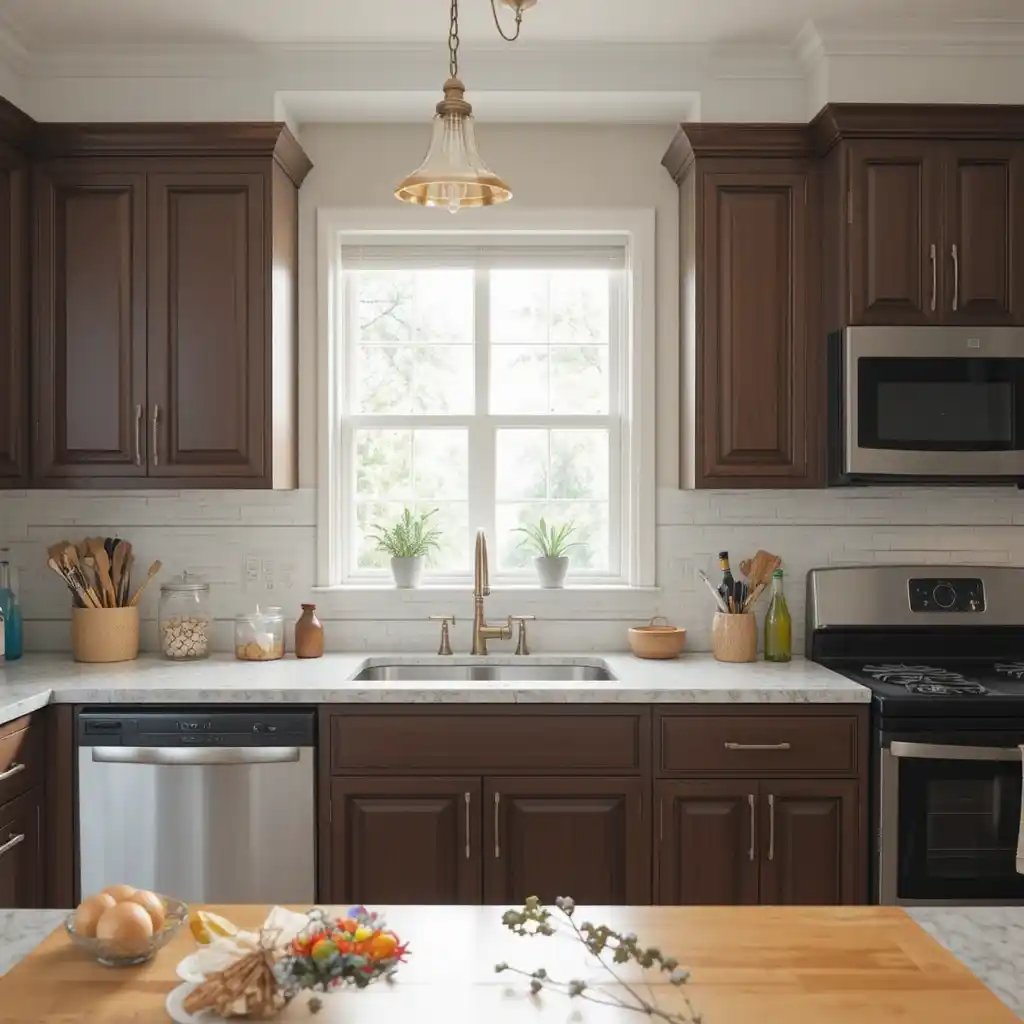
The first step in How to Organize Kitchen Cabinets efficiently is to remove everything from the cabinets. This gives you a clear picture of what you own and allows you to clean the shelves thoroughly.
As you empty each cabinet, separate items into categories such as:
- Plates and bowls
- Glassware
- Pots and pans
- Baking supplies
- Food storage containers
- Spices and seasonings
- Small appliances
This process also makes it easier to identify duplicate items, damaged cookware, and things you no longer use.
Declutter Before You Reorganize
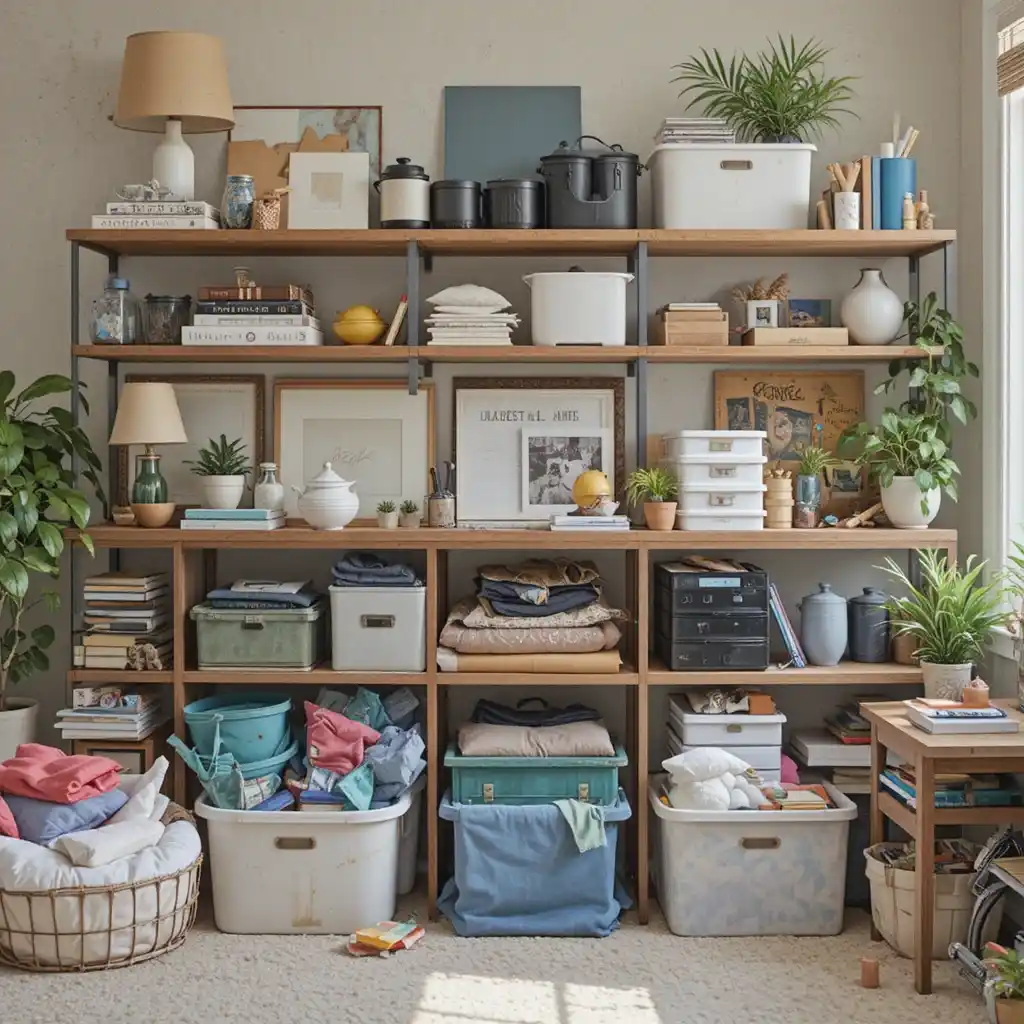
One of the biggest mistakes homeowners make is reorganizing clutter instead of eliminating it.
Ask yourself:
- Have I used this item in the last year?
- Does it still serve a purpose?
- Is it broken or damaged?
- Do I own duplicates?
Donate or discard anything that no longer adds value to your kitchen. A streamlined collection of kitchen essentials makes cabinet organization much easier.
If you’re looking to create a more functional cooking space overall, check out this guide on small kitchen ideas:
Group Similar Items Together
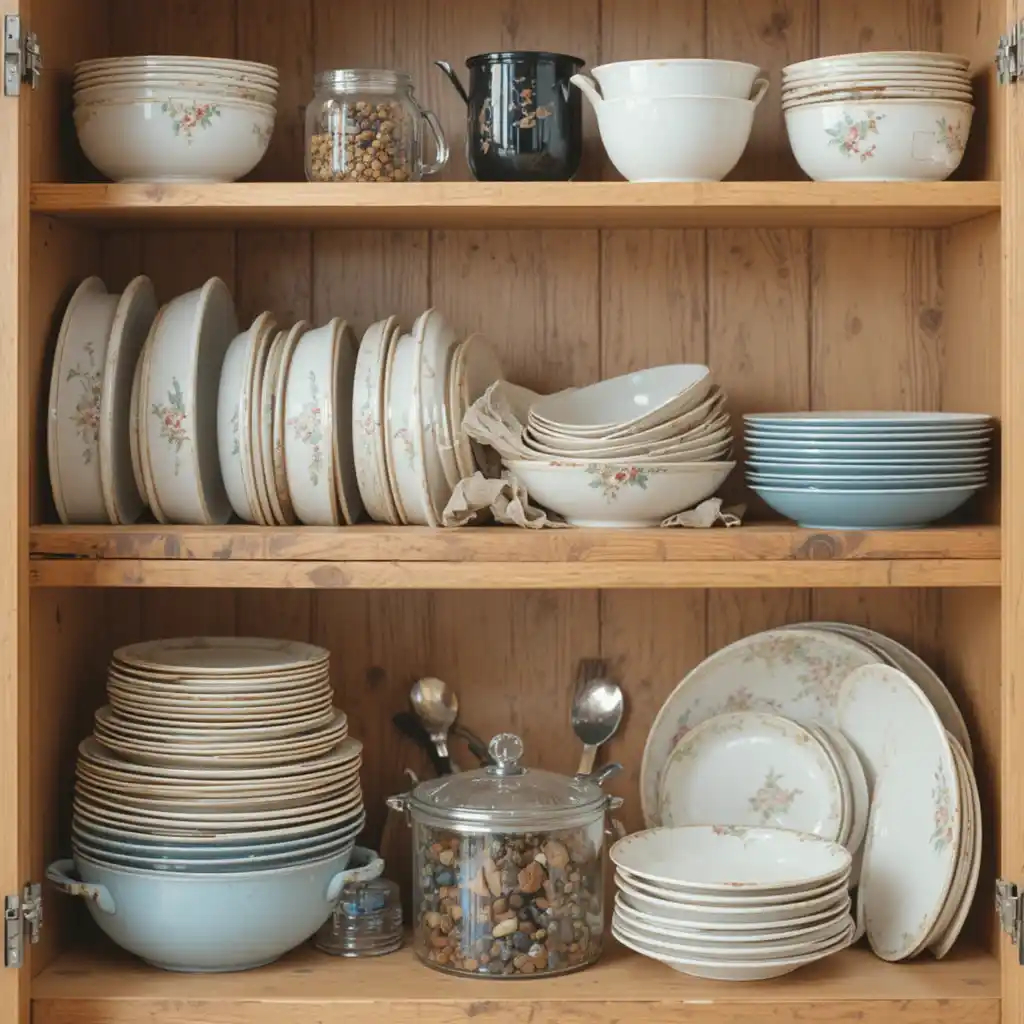
A key principle of efficient kitchen organization is grouping similar items together.
For example:
Dishware Zone
Store plates, bowls, and serving dishes in the same cabinet. Keeping them together simplifies meal preparation and cleanup.
Cooking Zone
Place pots, pans, cooking utensils, and frequently used spices near the stove.
Food Storage Zone
Keep food containers, reusable bags, and wraps in one dedicated cabinet.
Baking Zone
Store mixing bowls, measuring cups, baking sheets, and baking ingredients in the same area.
Creating zones helps maintain order because every item has a designated home.
Store Items Based on Frequency of Use
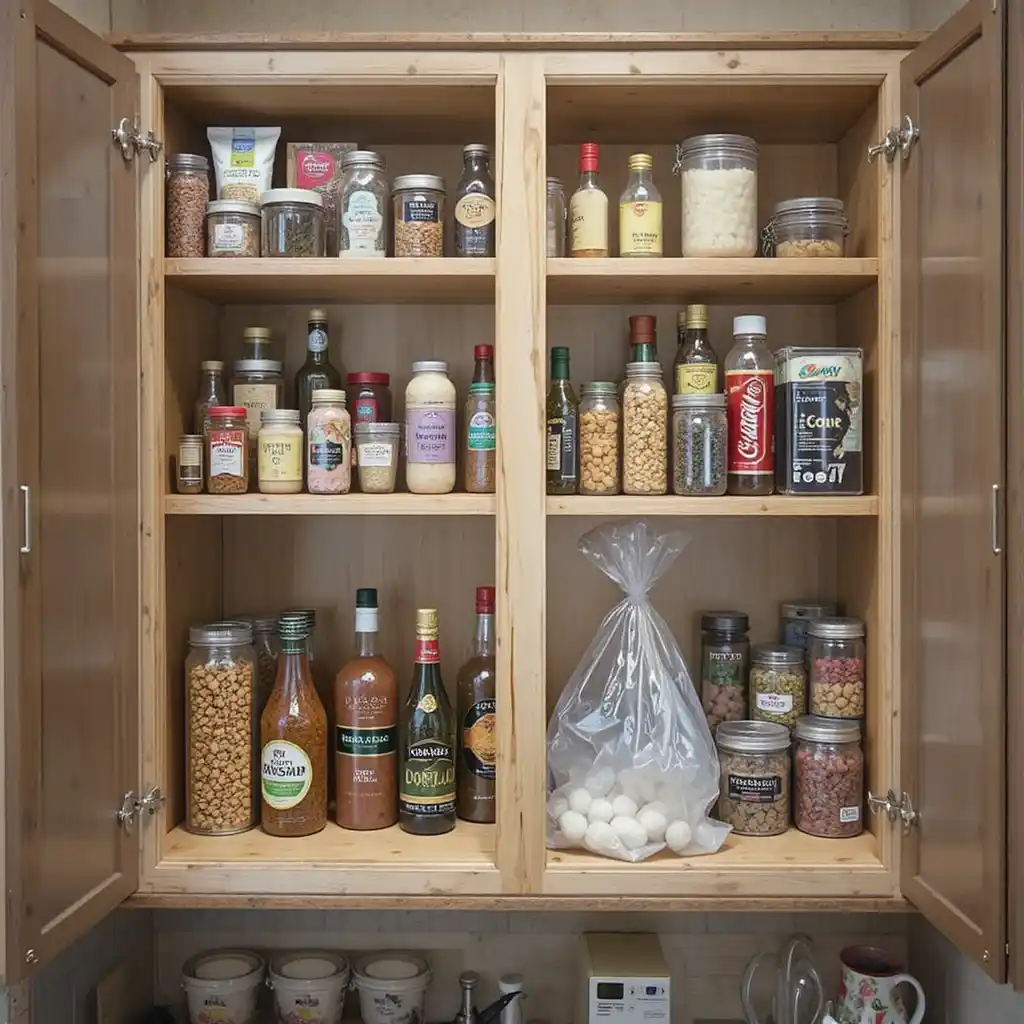
One of the easiest ways to How to Organize Kitchen Cabinets efficiently is to prioritize accessibility.
Everyday Items
Store frequently used items at eye level. These may include:
- Dinner plates
- Drinking glasses
- Coffee mugs
- Favorite cookware
Occasional Items
Seasonal serving dishes, specialty appliances, and holiday cookware can be placed on higher shelves.
Rarely Used Items
Store rarely used items in the highest cabinets or harder-to-reach areas.
This simple strategy reduces unnecessary bending, reaching, and searching.
Maximize Vertical Cabinet Space
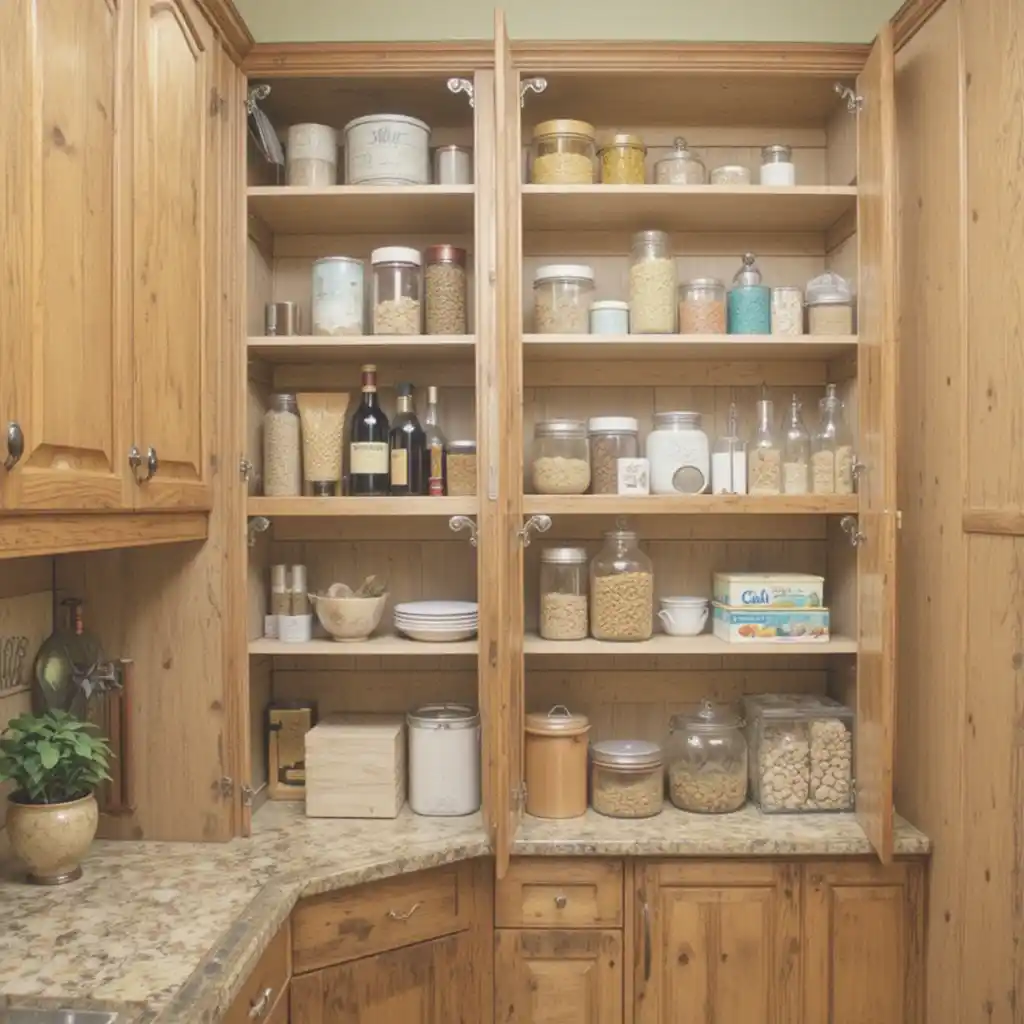
Many How to Organize Kitchen Cabinets have unused vertical space that can be utilized more effectively.
Consider adding:
- Shelf risers
- Stackable organizers
- Under-shelf baskets
- Plate racks
These tools help double your storage capacity without requiring additional cabinets.
Homeowners with compact kitchens often benefit from combining these techniques with practical small kitchen storage ideas:
Making better use of vertical space can instantly improve cabinet functionality.
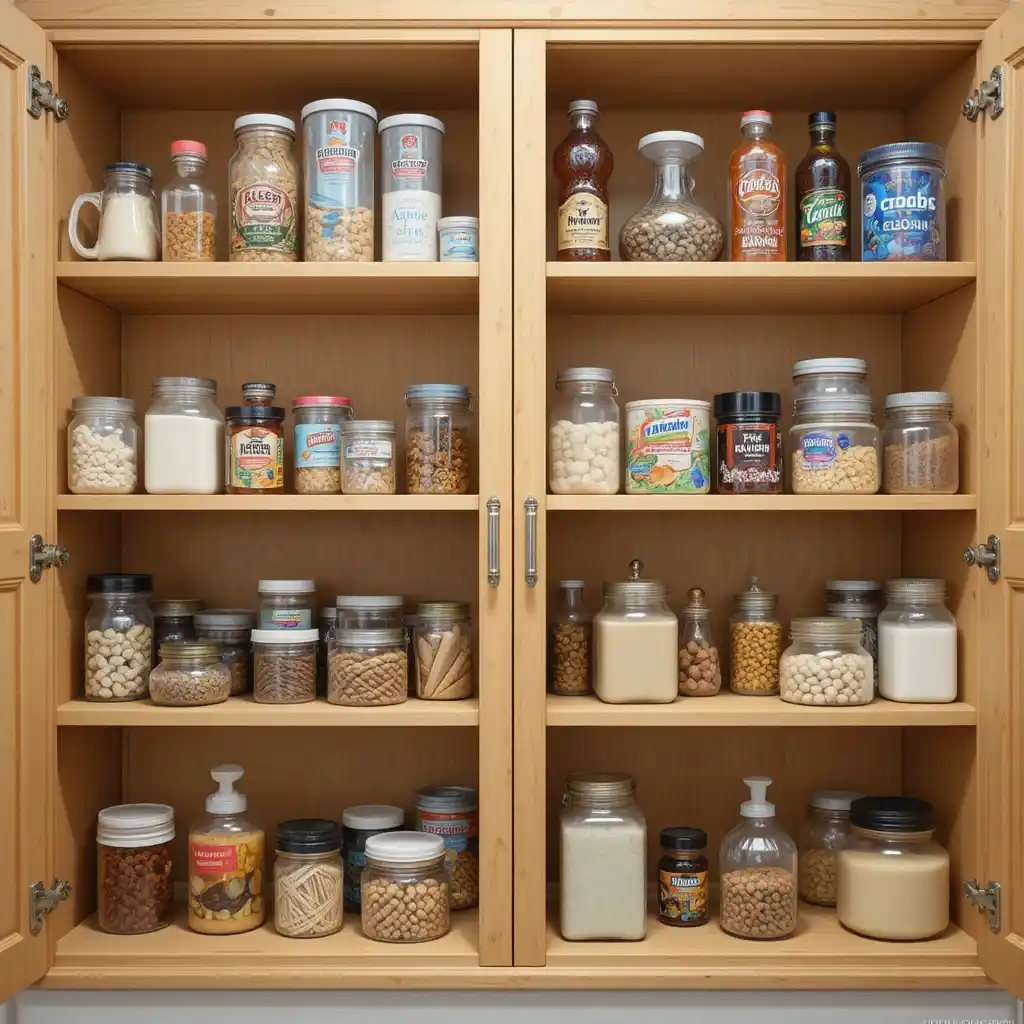
Use Clear Containers for Better Visibility
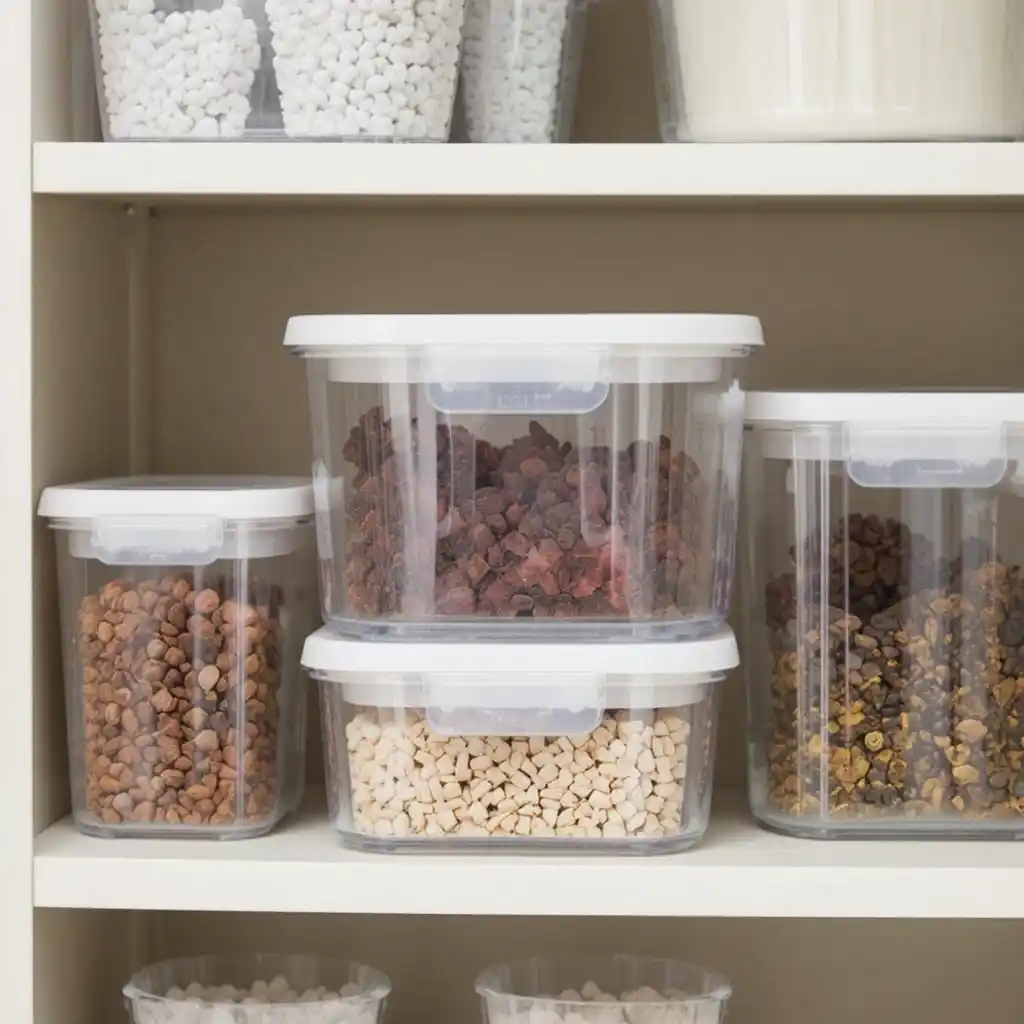
Clear storage containers make it easy to see exactly what you have.
They work particularly well for:
- Flour
- Sugar
- Rice
- Pasta
- Snacks
- Baking ingredients
Uniform containers also create a cleaner visual appearance while helping maximize shelf space.
Label each container clearly to maintain organization over time.
How to Organize Kitchen Cabinets with Pull-Out Solutions
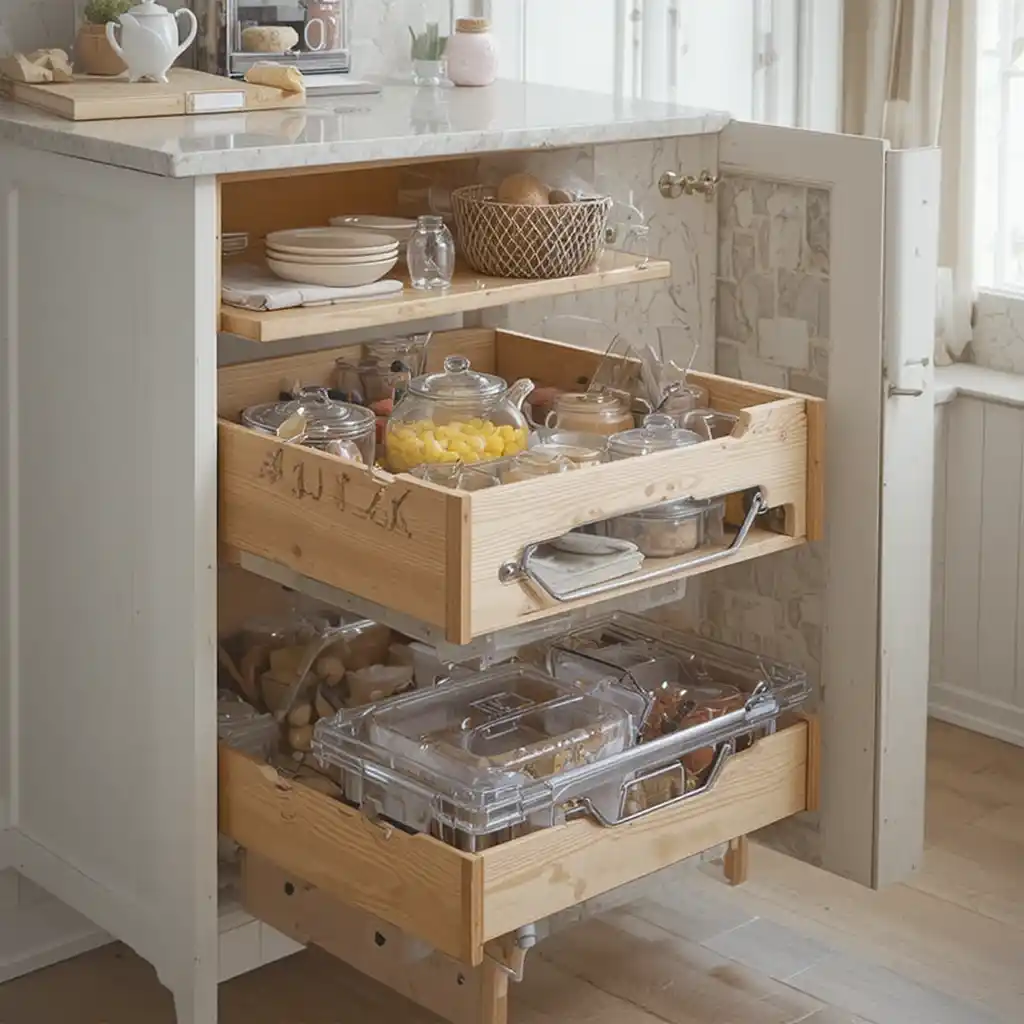
Deep cabinets often become cluttered because items get lost in the back.
Pull-out organizers solve this problem by bringing everything into view.
Popular options include:
- Pull-out pantry shelves
- Sliding baskets
- Pull-out spice racks
- Under-sink organizers
These solutions improve accessibility and reduce wasted space.
For additional pantry-related organization tips, explore:
How to Organize a Pantry Like a Professional
Create an Efficient Lid and Container System
Food storage containers are notorious for creating cabinet chaos.
To keep them organized:
- Store containers nested by size
- Use dividers for lids
- Keep matching pieces together
- Remove damaged containers
A dedicated storage container zone prevents clutter from spreading throughout your How to Organize Kitchen Cabinets.
This small adjustment can save significant time during meal prep and leftovers storage.
Make Corner Cabinets More Functional
Corner How to Organize Kitchen Cabinets often become storage black holes where items disappear.
To improve functionality:
- Install lazy Susans
- Use rotating trays
- Add pull-out corner shelves
- Store larger items that are used occasionally
Corner solutions allow you to maximize every inch of available space.
You may also find inspiration in these helpful corner pantry organization ideas:
Organize Spices for Easy Access
Spices are among the most frequently used kitchen items, yet they’re often the hardest to locate.
Consider organizing spices:
- Alphabetically
- By cuisine
- By frequency of use
Storage options include:
- Tiered spice racks
- Drawer inserts
- Wall-mounted organizers
- Cabinet door racks
Keeping spices visible helps speed up cooking and prevents duplicate purchases.
Utilize Cabinet Doors
The inside of How to Organize Kitchen Cabinets doors offers valuable storage space that many homeowners overlook.
You can use cabinet doors to store:
- Measuring spoons
- Pot lids
- Cleaning supplies
- Cutting boards
- Small spice jars
Adding hooks, racks, or adhesive organizers can significantly increase storage without taking up shelf space.
Keep Heavy Items Low
Safety is an important part of kitchen organization.
Store heavier items such as:
- Dutch ovens
- Cast iron cookware
- Large appliances
- Bulk food containers
in lower cabinets.
This reduces strain and minimizes the risk of accidents when lifting heavy objects from overhead cabinets.
Maintain an Organized Pantry Connection
How to Organize Kitchen Cabinets and pantry spaces should work together as one system.
If you have a pantry, avoid storing duplicate food items across multiple locations.
Instead, create a consistent organizational approach.
For more inspiration, visit:
and
These resources can help create a seamless storage strategy throughout your kitchen.
Label Everything
Labels are one of the simplest ways to maintain organization long-term.
Label:
- Containers
- Baskets
- Pantry bins
- Storage shelves
Labels help family members return items to their correct locations, making it easier to maintain order.
Even simple handwritten labels can make a noticeable difference.
Perform Regular Cabinet Resets
Organization is not a one-time project.
Schedule quick cabinet resets every few months to:
- Remove expired food
- Reorganize misplaced items
- Clean shelves
- Adjust storage systems as needed
Regular maintenance prevents clutter from building up and keeps your kitchen functioning efficiently.
Design Cabinets Around Your Kitchen Layout
Every kitchen is different, and your cabinet organization should reflect how you use the space.
For example:
- Keep coffee supplies near the coffee maker.
- Store baking tools near prep areas.
- Place dishes near the dishwasher for easier unloading.
- Keep cooking essentials near the stove.
This workflow-focused approach reduces unnecessary movement and improves efficiency.
If you’re planning a broader kitchen refresh, you may enjoy these guides:
Conclusion
Learning how to organize kitchen cabinets efficiently can dramatically improve the functionality of your kitchen. By decluttering, creating storage zones, maximizing vertical space, using organizers, and maintaining a regular reset routine, you can transform cluttered cabinets into a streamlined system that supports your daily life.
The goal isn’t perfection it’s creating a kitchen that works for your lifestyle. Start with one cabinet at a time, implement practical organization strategies, and enjoy a cleaner, more efficient cooking space. With a little planning and consistency, organized kitchen cabinets can become one of the most valuable upgrades in your home.
FAQs
1. What is the best way to organize kitchen cabinets?
The best way is to declutter first, group similar items together, and create zones for cooking, baking, food storage, and dishware. Store frequently used items at eye level for easy access.
2. How can I maximize space in small kitchen cabinets?
Use shelf risers, stackable organizers, pull-out shelves, and cabinet door storage. These solutions help utilize vertical space and make items easier to reach.
3. How often should I reorganize my kitchen cabinets?
A quick review every 3–6 months is ideal. Remove expired food, donate unused items, and adjust storage systems as your needs change.
4. Should heavy kitchen items be stored in upper cabinets?
No. Heavy cookware, appliances, and bulk items should be stored in lower cabinets for safety and easier access.


