
How to Organize a Pantry Like a Professional: Smart Storage Tips for a Clutter-Free Kitchen
A well-organized How to organize a pantry like a professional can completely transform the way your kitchen functions. Instead of digging through crowded shelves looking for a box of pasta or discovering expired snacks hidden in the back, a professionally organized Pantry Organization Ideas helps you find everything quickly, reduce food waste, and make meal planning much easier.
The good news is that you don’t need a luxury walk-in pantry or expensive storage products to achieve professional results. Whether you have a large pantry, a small closet pantry, or just a few kitchen cabinets dedicated to food storage, the same organizing principles apply.
Professional organizers focus on creating systems that are easy to maintain. The goal isn’t simply making the How to organize a pantry like a professional look beautiful for a day it’s creating a practical space that works for your family’s daily routine.
In this guide, you’ll learn exactly how to organize a pantry like a professional, including step-by-step instructions, smart storage solutions, common mistakes to avoid, and expert recommendations that help keep your pantry tidy long-term Home Decor Inspo Ideas.
Why Pantry Organization Matters
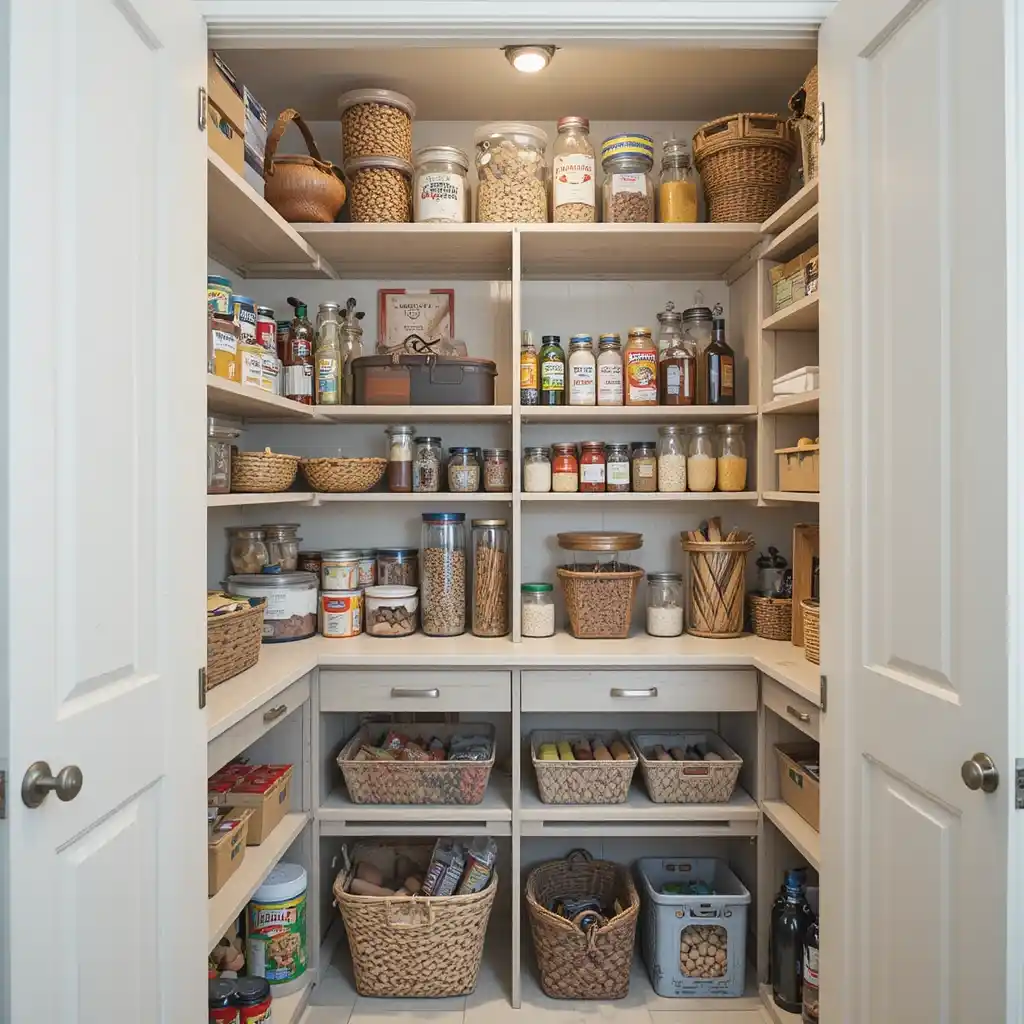
An organized How to organize a pantry like a professional does more than improve appearance. It can:
- Save time during meal preparation
- Reduce duplicate purchases
- Prevent food waste
- Maximize storage space
- Make grocery shopping easier
- Create a cleaner kitchen environment
Many homeowners are surprised by how much money they save after organizing their How to organize a pantry like a professional because they stop buying items they already have.
Start by Emptying Everything Out

The first step in professional How to organize a pantry like a professional organization is starting with a blank slate.
Remove every item from your How to organize a pantry like a professional and place everything on your kitchen counter or dining table.
As you sort through items, create four categories:
- Keep
- Donate
- Expired
- Relocate
Check expiration dates carefully. You’ll likely find spices, canned goods, and snacks that have been forgotten for months or even years.
This process gives you a clear picture of what you actually use and what is simply taking up valuable space.
Clean Before Restocking
Once the How to organize a pantry like a professional is empty, thoroughly clean all shelves.
Wipe down surfaces with a mild cleaner and vacuum crumbs from corners.
If desired, add shelf liners for easier maintenance and a more polished appearance Laundry Room Remodel Ideas.
Group Similar Items Together
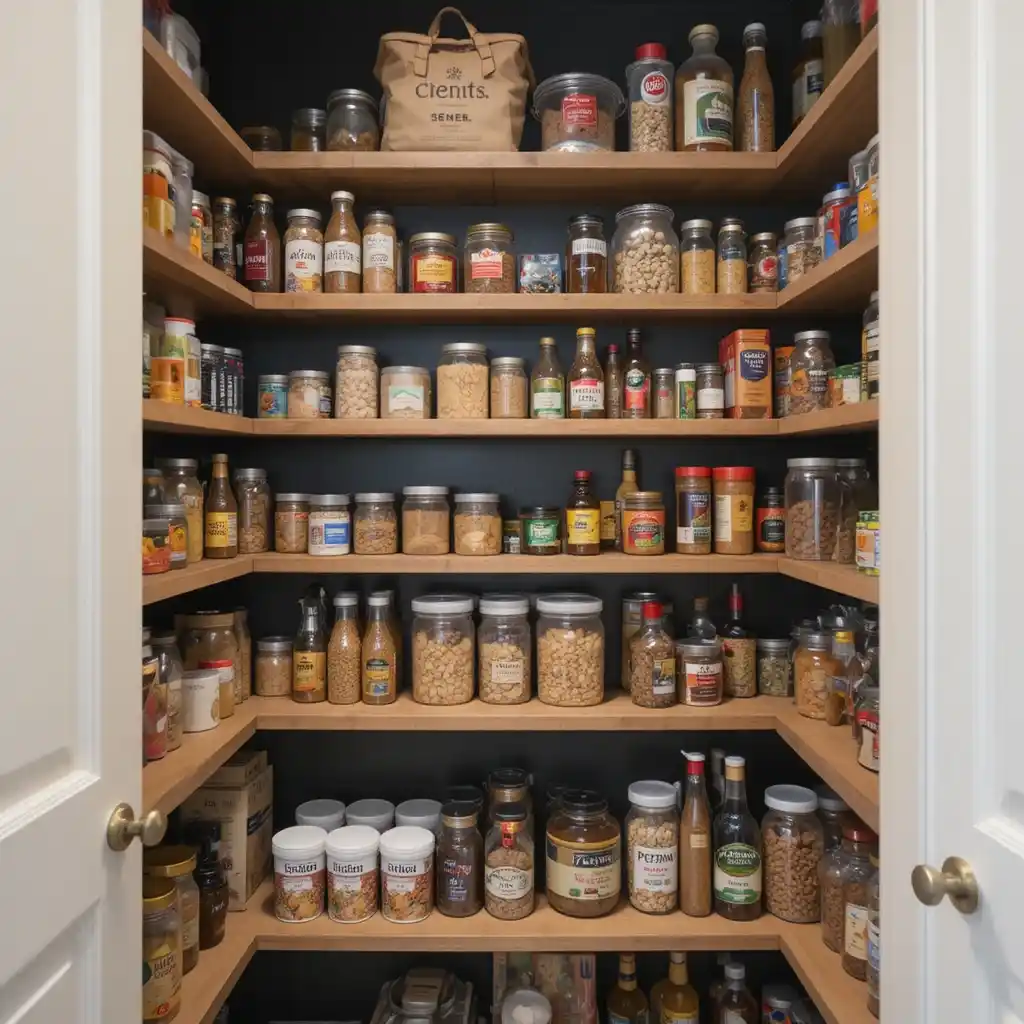
Professional organizers always organize by category rather than by product size or packaging.
Create designated zones for:
Breakfast Foods
Store cereals, oatmeal, pancake mix, and breakfast bars together.
Baking Supplies
Keep flour, sugar, baking powder, chocolate chips, and decorating supplies in one area.
Snacks
Dedicate a shelf or basket for chips, crackers, granola bars, and other grab-and-go options.
Canned Goods
Arrange soups, vegetables, beans, and sauces together.
Pasta and Grains
Group rice, pasta, quinoa, and other dry staples.
Condiments and Sauces
Store oils, vinegars, dressings, and cooking sauces in a dedicated section.
Grouping similar items creates a grocery-store-style system that makes everything easier to find.
Use Clear Storage Containers

One of the biggest secrets behind professional How to organize a pantry like a professional organization is using clear containers.
Benefits include:
- Easier visibility
- Reduced visual clutter
- Better freshness
- Uniform appearance
- More efficient use of shelf space
Popular pantry containers work well for:
- Flour
- Sugar
- Rice
- Pasta
- Cereal
- Beans
- Baking ingredients
Choose airtight containers whenever possible to help preserve freshness.
For additional How to organize a pantry like a professional storage inspiration, readers may also enjoy exploring pantry shelf designs and storage solutions.
Create Zones Based on Frequency of Use
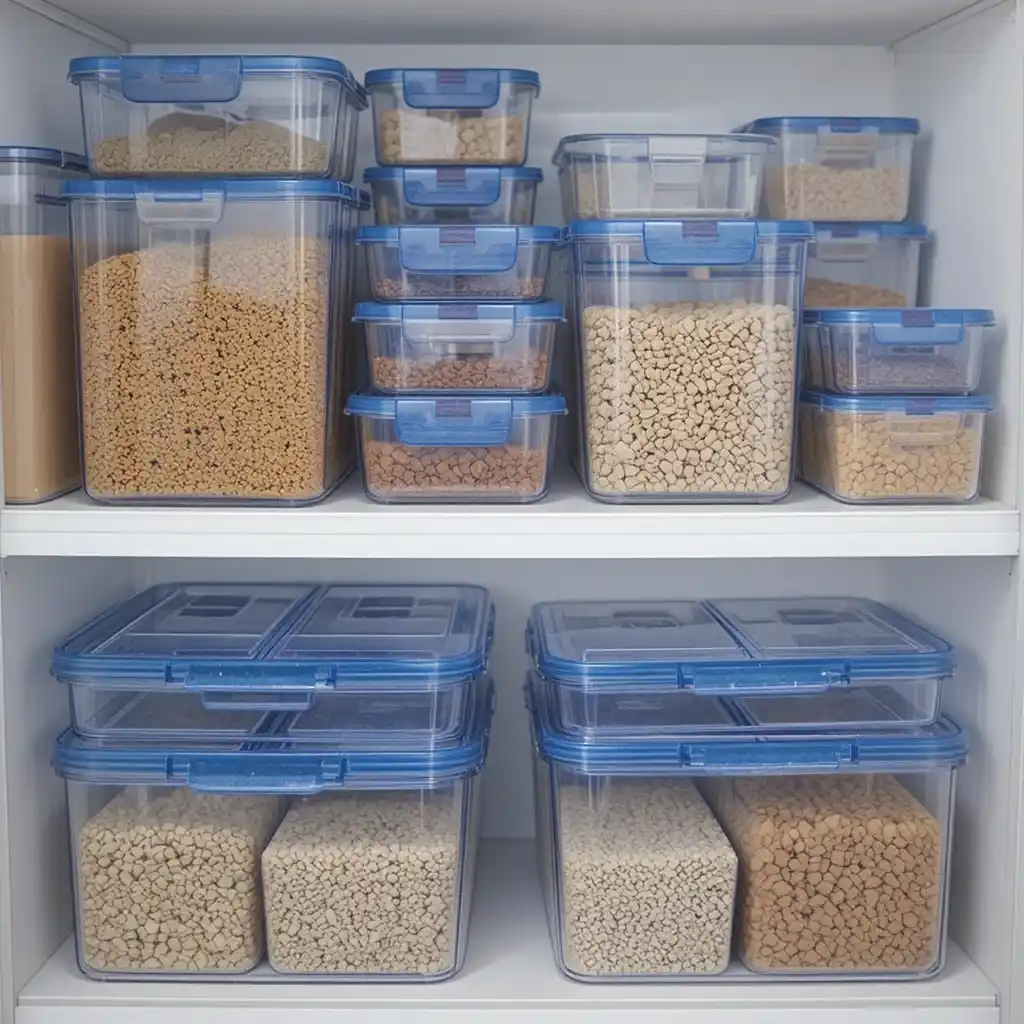
Professionals organize pantry shelves according to how often items are used.
Eye-Level Shelves
Store frequently used items here.
Examples include:
- Everyday snacks
- Cooking oils
- Bread
- Breakfast foods
Higher Shelves
Place seasonal items and bulk storage products on upper shelves.
Lower Shelves
Reserve lower shelves for heavier items such as:
- Cases of beverages
- Large bags of pet food
- Bulk ingredients
This simple strategy improves efficiency and reduces unnecessary reaching.
Maximize Vertical Space

Many pantries waste valuable vertical storage opportunities.
Consider adding:
- Shelf risers
- Stackable bins
- Tiered organizers
- Hanging door organizers
- Under-shelf baskets
These products instantly increase storage capacity without requiring a How to organize a pantry like a professional renovation.
For homeowners working with limited square footage, maximizing vertical space is one of the most effective storage strategies available.
Label Everything Clearly
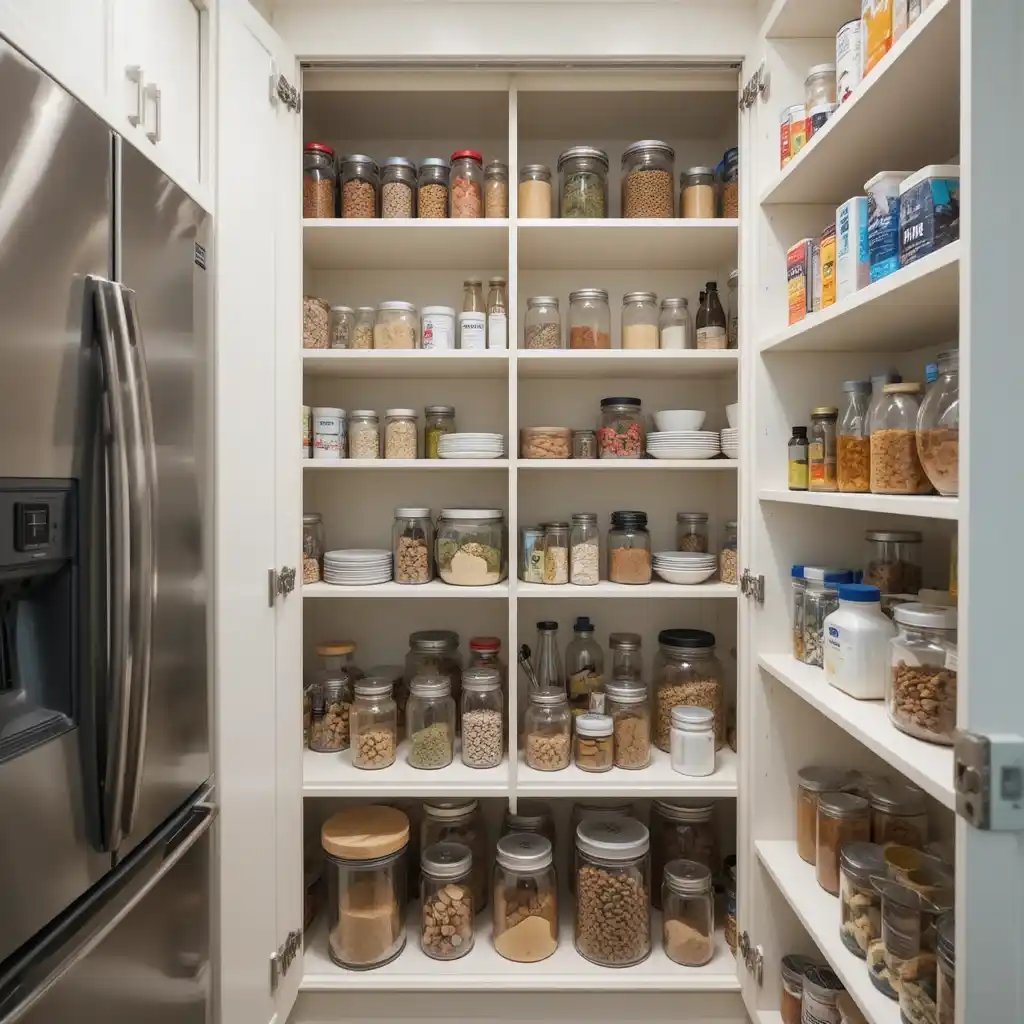
Labels help every member of the household maintain the system.
You can label:
- Storage containers
- Baskets
- Shelves
- Bulk food bins
Professional organizers often recommend simple, easy-to-read labels rather than decorative designs that may become difficult to update later.
A consistent labeling system reduces confusion and encourages everyone to return items to the correct location.
Use Baskets and Bins Strategically

Baskets create contained storage zones that prevent clutter from spreading.
Great uses for How to organize a pantry like a professional baskets include:
- Kids’ snacks
- Meal prep ingredients
- Protein bars
- Baking accessories
- Tea and coffee supplies
Instead of moving dozens of individual products, you can simply pull out one basket to access everything inside.
This approach works especially well in deep How to organize a pantry like a professional shelves.
Organize a Small Pantry Like a Pro
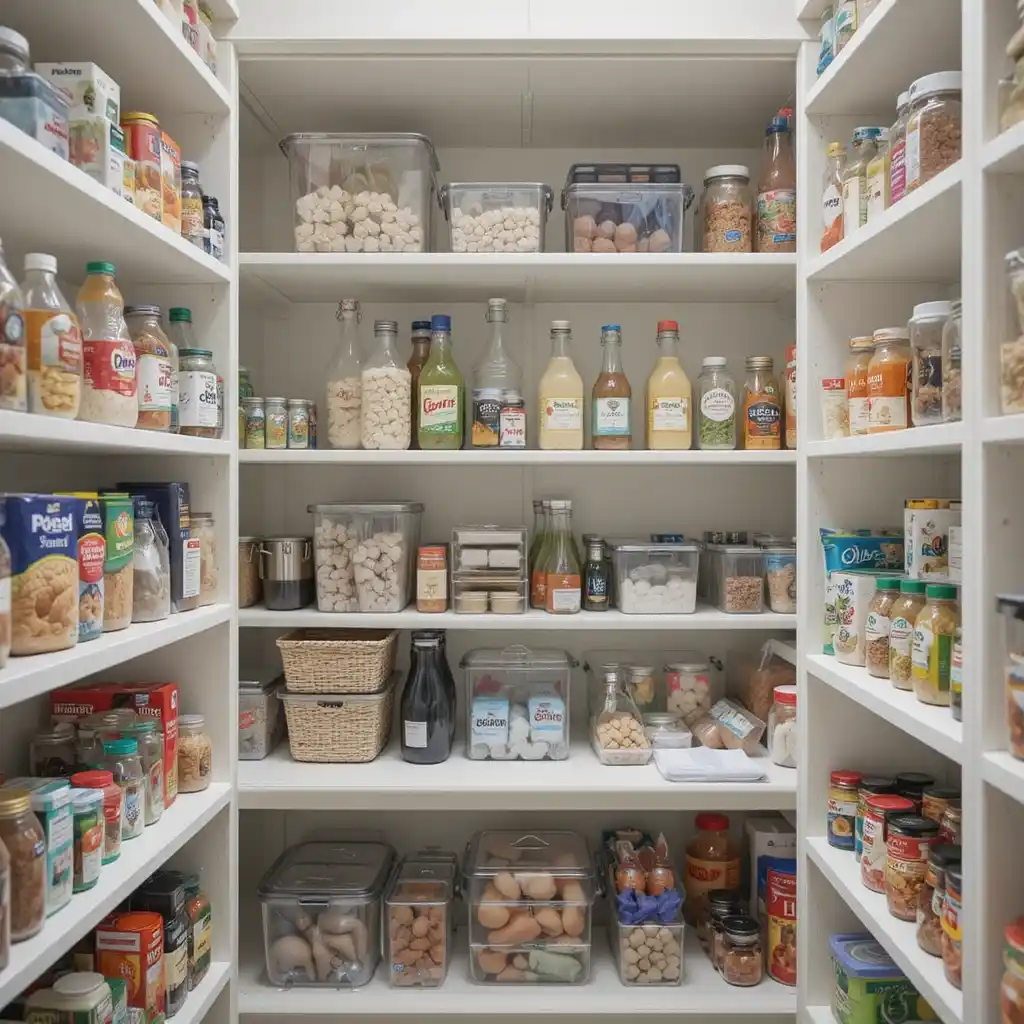
Small pantries require thoughtful planning but can be incredibly functional.
Prioritize Essentials
Keep only products you regularly use.
Use Door Storage
The back of the How to organize a pantry like a professional door is valuable real estate.
Install:
- Spice racks
- Wire baskets
- Shallow organizers
Store Vertically
Stackable containers help maximize every inch of available space.
Avoid Overstocking
Buying excessive quantities often creates more clutter than convenience in small pantries.
Many of the same techniques used in small kitchen storage solutions can also improve How to organize a pantry like a professional efficiency.
Maintain Your Pantry Organization System
The biggest difference between amateur and professional How to organize a pantry like a professional organization is maintenance.
Set aside 10 minutes each week to:
- Return misplaced items
- Check inventory
- Remove expired products
- Wipe shelves if needed
A quick weekly reset prevents clutter from building up again.
Adopt the First-In, First-Out Method
Place newer grocery purchases behind older items.
This method ensures older products get used first and minimizes food waste.
Restaurants and professional kitchens use this system because it works exceptionally well.
Practical Pantry Organization Tips
Here are a few easy ways to keep your pantry organized year-round:
- Store bulk items in matching containers.
- Use lazy Susans for oils and condiments.
- Keep a shopping list inside the pantry.
- Use clear bins for snacks.
- Reserve one shelf for meal-planning staples.
- Reassess pantry zones every few months.
- Keep frequently used items within easy reach.
- Use shelf risers to improve visibility.
Common Mistakes to Avoid
Even well-intentioned pantry makeovers can create problems.
Buying Containers Before Measuring
Always measure shelves first to avoid wasted money and poor fit.
Organizing by Appearance Alone
A beautiful pantry isn’t useful if items are difficult to access.
Ignoring Expiration Dates
Expired products take up valuable space and create unnecessary clutter.
Overfilling Shelves
Leave breathing room so products remain visible.
Creating Complicated Systems
If the system is too complicated, family members won’t maintain it.
Simplicity always wins.
Expert Recommendations
Professional organizers consistently recommend the following strategies:
Invest in Quality Containers
Durable containers last longer and maintain freshness better.
Create Dedicated Zones
Every category should have a designated home.
Use Uniform Storage Solutions
Matching containers create a cleaner appearance and maximize shelf efficiency.
Keep a Donation Box Nearby
When decluttering, immediately separate unused items for donation.
Schedule Quarterly Pantry Audits
Review pantry contents every three months to maintain organization and reduce waste.
These habits help ensure your pantry remains functional long after the initial organizing project.
Conclusion
Learning how to organize a pantry like a professional isn’t about creating a picture-perfect space it’s about designing a system that makes everyday life easier. By decluttering, categorizing food, using clear containers, maximizing storage space, and maintaining simple routines, you can transform even the most chaotic pantry into an efficient and attractive part of your kitchen.
Start with one shelf at a time, focus on creating logical zones, and remember that the best pantry organization system is one that your household can easily maintain. With a little planning and consistency, you’ll enjoy a cleaner kitchen, less food waste, and a more enjoyable cooking experience every day.
FAQ
1. What is the best way to organize a pantry?
The best approach is to remove everything, group similar items into categories, use clear storage containers, create designated zones, and label shelves for easy maintenance.
2. How often should I reorganize my pantry?
A quick weekly check and a thorough review every three months helps keep your pantry organized and prevents clutter from accumulating.
3. Are clear containers necessary for pantry organization?
While not required, clear containers improve visibility, reduce clutter, preserve freshness, and make it easier to maintain an organized system.
4. How do I organize a pantry with limited space?
Use vertical storage, door organizers, stackable containers, shelf risers, and only keep frequently used items to maximize available space.
5. What should not be stored in a pantry?
Avoid storing items that require refrigeration, foods exposed to moisture, and products with damaged packaging that may attract pests.


